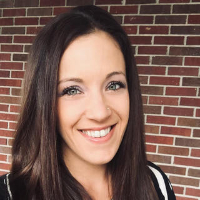
About Brittany
Brittany Curtis is a licensed professional counselor who helps people untangle stressful thoughts and behaviors. She focuses on practical steps people can use now to feel steadier and more in control. Her style is collaborative and down-to-earth, with an emphasis on listening first and working from there.
Brittany earned a Bachelor of Arts in Psychology from Coastal Carolina University and a master's degree in Applied Clinical Psychology. She holds an LPC - Licensed Professional Counselor - credential and has nine years of clinical experience in both independent practice and agency settings.
Background and approach
She practices in South Carolina and conducts sessions in English. In sessions she combines client-centered care with practical strategies from cognitive behavioral therapy and solution-focused work. That means she helps people notice unhelpful thinking, try small changes, and build on what already works in their lives.
She also uses motivational interviewing and mindfulness tools when they fit a person’s goals. Brittany often addresses stress, anxiety, depression, and relationship or family concerns. She also helps with body image, eating and food-related issues, substance use concerns, codependency, career and workplace stress, grief, and questions about life purpose and money.
Her approach aims to validate feelings while encouraging real steps forward. Her sessions are straightforward and goal-oriented while remaining warm and empathetic. People looking for practical coping skills and honest conversation may find her approach a good match.
Using practical approaches in online therapy
Client-centered therapy focuses on listening and reflecting what matters to the person in the room. It supports people who want a respectful, nonjudgmental space to talk through feelings and decisions. Cognitive behavioral therapy, or CBT, looks at how thoughts and behaviors interact and teaches concrete skills to reduce anxiety, manage moods, and change unhelpful patterns.Finding the right approach is part of the work. The therapist will discuss goals and preferences and then try methods that fit the client's needs. That process is collaborative and may include mixing techniques until something clicks for the person seeking help.
Online therapy offers flexible ways to connect, including video calls, phone sessions, live chat, and text-based messaging. Video is useful for in-depth conversation and exercises that benefit from seeing facial cues. Phone sessions can be easier when bandwidth is limited or when a person prefers not to be on camera. Live chat and messaging allow brief check-ins, written reflection, or coaching-style prompts between longer sessions. These options make it easier to fit therapy into a busy schedule and to keep momentum between appointments.
Questions people ask
What concerns does she commonly address?
How would you describe her therapeutic style?
How much clinical experience does she have?
What credentials and location are listed?
Are sessions offered in other languages or internationally?
Which session formats are available?
How is cost handled for sessions?
What are the first steps to begin working with her?
What this counselor works with
Most often
- Stress, Anxiety
- Family conflicts
- Eating disorders
Also listed
- Addictions
- Body image
- Career difficulties
- Coaching
- Codependency
- Compassion fatigue
- Coping with life changes
- Depression
- Drug and alcohol addiction
- Eating and food-related issues
- Family of origin issues
- Family problems
- Grief
- Life purpose
- Money and financial issues
- Parenting issues
- Relationship issues
- Self esteem
- Self-love
- Women's issues
- Workplace issues
Therapeutic approaches
- Experience
- 9 years
- Licensed
- South Carolina
- Languages
- English