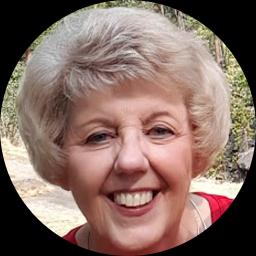
About Bonnie
Bonnie Inks is a licensed clinician in Montana with 14 years of experience as an LCPC. She focuses on helping people facing stress, anxiety, addiction, depression, bipolar concerns, and the everyday strains that pile up. She aims to make the first step toward change feel manageable and supported.
She creates a calm, nonjudgmental space for people to talk through hard things. Bonnie listens for what matters most and helps set clear, practical goals.
Background and approach
Sessions are straightforward and focused on what will help between meetings. Bonnie draws on evidence-based therapeutic techniques to address trauma, relationship problems, and family issues. She helps people process grief, navigate divorce or separation, and work through family of origin concerns.
She also supports those dealing with codependency, control issues, or challenges after disasters. Addictions, including drug and alcohol struggles, are treated with an emphasis on practical coping skills and relapse prevention. Bonnie assists people in rebuilding routines, repairing relationships, and finding healthier patterns.
First responder issues and the effects of shame, guilt, or abandonment are also included in her practice. Her style is collaborative and steady. She breaks complex problems into small, doable steps and checks in on progress.
People who want direct suggestions, clear action items, and steady encouragement tend to do well with her approach. Bonnie works in English and provides sessions using video, phone, live chat, or text messaging. She asks new clients to complete a short questionnaire to match goals and then schedule sessions that fit their calendar.
Approaches that guide online sessions
Bonnie uses evidence-based therapeutic techniques to help people manage symptoms and rebuild routines. One common approach she uses teaches concrete coping skills and behavioral changes to reduce anxiety and depression. This method focuses on small, practical steps like routine building, sleep habits, and activity planning to improve daily functioning.She also works with trauma-informed strategies that help people process painful memories at a pace they can handle. These techniques emphasize safety, grounding exercises, and gradual exposure to difficult material so people regain control over reactions and feel less overwhelmed.
Finding the right approach is part of the work together. Bonnie will discuss options and tailor methods to a person’s goals, needs, and preferences. She collaborates on a plan and revisits it as progress is made or priorities change.
Online therapy offers flexibility for people with busy lives or limited local options. Video calls allow a face-to-face experience when conversation and visual cues matter. Phone sessions can be easier when bandwidth is limited or to fit a quick check-in. Live chat and text-based messaging help people keep momentum between sessions and use shorter communications for updates, homework, or brief support.
Questions people ask
What concerns can Bonnie help with?
What is her therapy style like?
How much clinical experience does she have?
What are her credentials and where is she based?
Are sessions available in other languages or internationally?
Which session formats are offered?
How does payment work and what does it cost?
What are the first steps to begin therapy?
What this counselor works with
Most often
- Stress, Anxiety
- Addictions
- Relationship issues
Also listed
- Abandonment
- ADHD
- Aging and geriatric issues
- Bipolar disorder
- Codependency
- Control issues
- Coping with life changes
- Coping with natural or human-caused disaster
- Dependent personality
- Depression
- Divorce and separation
- Domestic violence
- Drug and alcohol addiction
- Family conflicts
- Family of origin issues
- Family problems
- First responder issues
- Forgiveness
- Grief
- Guilt and shame
- Life purpose
- Midlife crisis
- Post-traumatic stress
- Self esteem
- Self-harm
- Social anxiety and phobia
- Trauma and abuse
- Experience
- 14 years
- Licensed
- Montana
- Languages
- English