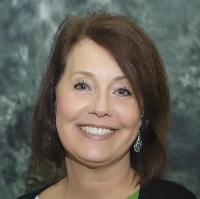
About Barbara
Barbara Droy is a Licensed Professional Counselor with ten years of experience who focuses on practical help for everyday struggles. She listens first and uses straightforward questions to clarify what would feel better and what change looks like for each person. Barbara draws on a mix of counseling methods to match each person's needs.
She works with people facing anxiety, depression, bipolar disorder, grief, stress, and life transitions. She also supports those dealing with addiction, parenting stress, relationship and family problems, and career or workplace concerns.
Background and approach
Her style is client-centered and collaborative with a faith-informed perspective when clients want that included. She asks early on how you will know counseling has helped and uses that answer to form clear, measurable goals. Sessions aim to be focused, respectful of time, and oriented toward practical steps you can use between meetings.
Barbara has worked across settings including intensive outpatient programs, home and office visits, adoption-related counseling, and school counseling. That range informs how she tailors interventions and communicates in plain language. She is based in Louisiana and holds an LA LPC license.
Parents and individuals who want steady guidance and someone who will nudge gently when helpful may find her approach useful. Barbara also offers flexible scheduling and multiple ways to connect to fit different routines and needs.
How approach choices shape online therapy
Acceptance and Commitment Therapy (ACT) helps people notice unhelpful thoughts and commit to actions that match their values. It can be useful for anxiety, stress, life transitions, and deciding what matters most. Cognitive Behavioral Therapy (CBT) focuses on patterns of thinking and behavior that keep problems going and offers practical skills to shift those patterns, often helping with depression, panic, and mood concerns. Client-Centered Therapy centers the person's experience and uses empathic listening to build insight and self-directed change; it works well for people who want a steady, supportive space to talk through hard decisions and emotions.Choosing the right approach is a team effort. The therapist will work with each person to pick ideas and techniques that fit their goals, values, and comfort level. That plan can change over time as progress is made and needs shift.
Online sessions offer practical benefits: video calls make it possible to meet without traveling, phone sessions use less bandwidth, live chat supports quick check-ins, and text-based messaging lets people reflect and respond on their own schedule. These options make it easier to fit therapy into busy lives and to keep continuity when routines change.
Questions people ask
What concerns does this counselor address?
What is the therapeutic style like?
How much experience does this clinician have?
What are the credentials and where is she licensed?
Which languages and regions are supported?
What session formats are available?
How are costs handled?
How do I begin working with her?
What this counselor works with
Most often
- Stress, Anxiety
- Grief
- Parenting issues
Also listed
- Addictions
- Adoption and foster care
- Bipolar disorder
- Career difficulties
- Caregiver issues and stress
- Communication problems
- Coping with life changes
- Coping with natural or human-caused disaster
- Depression
- Divorce and separation
- Family conflicts
- Family of origin issues
- Family problems
- Intimacy-related issues
- Life purpose
- Money and financial issues
- Panic disorder and panic attacks
- Relationship issues
- Self esteem
- Trauma and abuse
- Women's issues
- Workplace issues
- Young adult issues
Therapeutic approaches
- Experience
- 10 years
- Licensed
- Louisiana
- Languages
- English