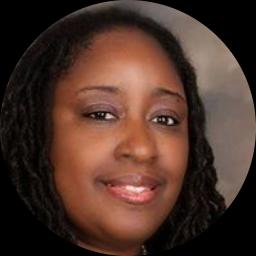
About Arline
Dr. Arline Edwards-Joseph helps people facing relationship strain, parenting challenges, career decisions, anxiety, depression, grief, and stress. She also supports those navigating intimacy concerns, low self-esteem, anger, and major life changes.
Dr. Edwards-Joseph practices from Georgia and brings 25 years of experience as a Licensed Professional Counselor (LPC). Her sessions start with listening.
She asks about what matters most and what a person wants to change. Conversations focus on everyday problems and practical next steps.
Background and approach
She blends direct problem-solving with time to reflect on feelings and values. In practice she uses client-centered methods to follow each person’s lead. She also draws on cognitive behavioral ideas to identify unhelpful thoughts and test new behaviors.
Motivational interviewing helps when someone feels stuck and needs a nudge to act on goals. Dr. Edwards-Joseph has worked with people from many cultural backgrounds, including clients with adoption, foster care, and immigration concerns.
That experience informs how she talks about prejudice, discrimination, and cultural stressors. She aims to name how culture shapes feelings and choices. Sessions are straightforward and goal-minded.
People can expect clear conversation about what’s working and what to try next. The aim is steady progress on small, achievable changes that fit daily life.
Online approaches that fit everyday life
Dr. Edwards-Joseph uses client-centered therapy to follow what matters most to each person. That approach means she listens carefully and helps clients find their own solutions rather than imposing a plan. It is useful for people who need space to make sense of feelings and priorities.She also uses cognitive behavioral therapy, which looks at how thoughts, emotions, and actions connect. CBT gives concrete tools to test new behaviors, reduce anxiety or low mood, and change habits that no longer work. This approach is helpful for concerns like stress, depression, and worry.
Finding the right approach is part of the work together. She will talk with clients about goals, preferences, and what has helped or not helped before. Together they decide which methods to try and adjust the plan as progress is made.
Online formats include video calls, phone sessions, live chat, and text-based messaging to make therapy more flexible. Video sessions allow face-to-face conversation, phone sessions can be easier when bandwidth is limited, live chat works for shorter check-ins, and texting supports ongoing encouragement between meetings. These options help fit therapy into work, school, or busy family schedules.
Questions people ask
What concerns does this therapist help with?
How would you describe the therapist's approach in sessions?
What is her professional background?
What credentials and location apply to this therapist?
Are sessions available in other languages or across borders?
What session formats are offered?
How are costs and billing handled?
How do I begin working with this therapist?
What this counselor works with
Most often
- Relationship issues
- Parenting issues
- Career difficulties
Also listed
Therapeutic approaches
- Experience
- 25 years
- Licensed
- Georgia
- Languages
- English