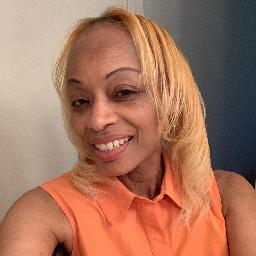
About Antoinette
Antoinette Goss is a Licensed Mental Health Counselor (LMHC) and a Licensed Professional Counselor (LPC) with ten years of clinical experience. She brings practical skills and personal insight to sessions. She focuses on helping people feel steadier when life becomes overwhelming.
Her work is straightforward and goal-oriented. She helps people manage stress, anxiety, depression, grief, and mood challenges like bipolar disorder. She also supports those dealing with addictions, trauma and abuse, and intimacy-related concerns.
Background and approach
Antoinette offers care around relationship and family issues, career stress, anger, and self-esteem struggles. She has additional focus on HIV/AIDS concerns, infidelity and jealousy, veteran and armed forces issues, multicultural challenges, postpartum depression, and prejudice and discrimination. Her practice includes help for process addictions such as pornography, exercise, and gambling, as well as sexual assault, sex addiction, and self-harm concerns.
Antoinette aims to give practical tools and resources people can use between sessions. Sessions are conversational and person-centered. She draws on Cognitive Behavioral Therapy, Acceptance and Commitment Therapy, Emotionally-Focused Therapy, Client-Centered and Existential approaches when they fit a person’s needs.
Antoinette works with each person to choose strategies that match their goals and situation.
Therapeutic Approaches and Online Care
Antoinette often uses Acceptance and Commitment Therapy and Cognitive Behavioral Therapy in her online sessions. Acceptance and Commitment Therapy helps people notice difficult thoughts and feelings without getting stuck, then choose actions that match their values. Cognitive Behavioral Therapy looks at how thoughts, feelings, and actions interact and teaches concrete skills to change unhelpful patterns.She also uses Client-Centered Therapy to keep sessions focused on the person's experience. This approach emphasizes listening, empathy, and working at the client's own pace so goals emerge collaboratively. Finding the right mix of approaches is part of the work; the therapist and client decide together what fits the client’s needs, goals, and preferences.
Online formats include video calls, phone sessions, live chat, and text-based messaging to offer flexibility. Video calls allow fuller interaction and visual cues, phone sessions need less bandwidth and can fit into a work break, live chat can work for shorter check-ins, and messaging supports ongoing reflection between meetings. These options make therapy more accessible and easier to fit into busy lives.
Questions people ask
What kinds of problems does this therapist address?
How would you describe her therapeutic style?
What is her professional background?
What credentials and region are listed for this therapist?
Which languages are supported for sessions?
What session formats are available?
How are costs handled for sessions?
How do I start therapy with this clinician?
What this counselor works with
Also listed
- Anger management
- Bipolar disorder
- Career difficulties
- Coping with life changes
- Depression
- Family conflicts
- Grief
- HIV / AIDS
- Infidelity
- Intimacy-related issues
- Jealousy
- Multicultural concerns
- Postpartum depression
- Prejudice and discrimination
- Process addiction (porn, exercise, gambling)
- Relationship issues
- Self esteem
- Self-harm
- Sex addiction
- Sexual assault and abuse
- Veteran and Armed Forces Issues
Therapeutic approaches
- Experience
- 10 years
- Licensed
- New York, Virginia
- Languages
- English