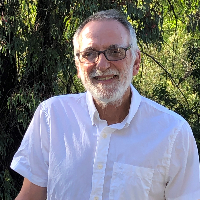
About Alan
Alan Kahn is a Licensed Professional Counselor who aims to help people who feel stuck, overwhelmed, or isolated. He speaks plainly and focuses on honest conversation to help clients find clearer direction. His style emphasizes real connection and practical problem solving so people can move forward in daily life.
Alan draws on client-centered and existential approaches to guide sessions. He listens first, then helps people identify patterns that keep them feeling anxious, ashamed, or disconnected.
Background and approach
Together they look for small, concrete steps to reduce stress, manage panic, and address grief or relationship pain. His background includes work teaching helpers at a Maryland college and directing a human services program. He has long experience across settings such as community mental health, college centers, inpatient hospitals, and treatment programs.
That breadth informs a flexible way of working with different concerns and life stages. In sessions Alan focuses on repairing a person’s life story so they can feel like the main character again. He combines straightforward honesty with steady support, helping people untangle anger, compassion fatigue, or trauma-related struggles.
His approach also attends to meaning, purpose, and how isolation or shame affect daily functioning. Alan offers practical tools alongside reflective conversation. He helps with issues such as divorce and separation, panic and social anxiety, post-traumatic stress, and questions about life purpose.
Sessions aim to be clear, goal-oriented, and rooted in a supportive therapeutic relationship.
How his approaches translate to online therapy
Client-Centered Therapy centers on the person’s experience and priorities. Online sessions using this approach start with listening closely and reflecting what matters most, which helps with anxiety, grief, and intimacy concerns. Existential Therapy looks at meaning, choice, and responsibility in life. Online work with this frame helps people facing isolation, life purpose questions, or struggles with shame to clarify values and make intentional changes.Choosing a therapeutic approach is a collaborative process. The therapist will discuss goals, preferences, and what feels useful, and then adapt methods to the person’s needs. This helps make online work feel personal rather than one-size-fits-all.
Online formats offer practical benefits for busy or distant clients. Video calls let people read facial cues and have deeper conversations. Phone sessions can fit into a short break or use less bandwidth. Live chat and text-based messaging make it easier to check in between sessions or to communicate when writing feels clearer. These options provide flexibility so therapy can fit into everyday life.
Questions people ask
What concerns does Alan focus on?
How would he describe his therapy style?
What is his professional background?
Which credentials and location are listed?
Are sessions available in other languages or countries?
What session formats are offered?
How is cost handled for sessions?
How do I begin working with him?
What this counselor works with
Also listed
Therapeutic approaches
- Experience
- 3 years
- Licensed
- District of Columbia, Maryland
- Languages
- English