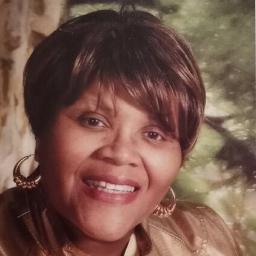
About Vickie
Vickie Kimble is a licensed professional counselor practicing in Texas. She draws on ten years of experience to help people manage stress, anxiety, depression, grief, and issues with self-esteem. Vickie aims to make the first step toward change feel doable and less overwhelming.
She keeps sessions straightforward and practical. Conversations focus on what matters most to the client and on small steps that create relief. Vickie listens without judgment and helps people name what they are feeling before deciding on ways to move forward.
Background and approach
Her work often includes strategies from cognitive behavioral approaches and skills-based methods. Those tools help people notice thought patterns, try small behavior changes, and reduce emotional reactivity. Mindfulness exercises are used to build toleration of stress and to ground attention in the present moment.
Vickie also draws on client-centered principles and motivational interviewing. That means the pace and goals come from the person in therapy, and the counselor supports motivation for change rather than imposing it. Many clients find this collaborative style helps them stay engaged and try new things between sessions.
She has experience addressing concerns related to parenting, anger, trauma and abuse, adoption and foster care, aging issues, disruptive mood dysregulation disorder, self-harm, and young adult transitions. Vickie works in English and practices across a range of life stages and struggles.
How therapeutic approaches work online
Client-centered therapy focuses on hearing the person's experience and following their lead; online sessions let the therapist listen closely and help clients set goals that feel right for them. Cognitive behavioral therapy looks at thoughts and behaviors and tries small experiments to change unhelpful patterns; this approach can be used in video or messaging formats to review exercises and track progress. Dialectical behavior therapy teaches practical skills for regulating emotions and handling intense moments, and many of those skills translate well to short chats or phone check-ins for quick practice.Finding the best approach is collaborative. The therapist will talk with the client about needs, goals, and preferences and then choose methods that fit. Plans can change over time as progress is made, and the client helps guide which tools are used.
Online therapy offers practical advantages for busy lives. Video calls let people have a session that feels most like an in-person visit, phone sessions work when bandwidth or camera use is limited, and live chat or text-based messaging can be used for shorter check-ins or to record thoughts between appointments. These options make scheduling easier and help therapy fit into school, work, or caregiving routines.
Questions people ask
What kinds of problems does Vickie help address?
What is her therapy style like?
How long has she been practicing?
What credentials and location are listed?
In which language are sessions offered?
How are sessions conducted?
What does therapy cost?
How do I begin working with her?
What this counselor works with
Most often
- Stress, Anxiety
- Parenting issues
- Anger management
Also listed
- Adoption and foster care
- Aging and geriatric issues
- Depression
- Disruptive Mood Dysregulation Disorder (DMDD)
- Grief
- Self esteem
- Self-harm
- Trauma and abuse
- Young adult issues
Therapeutic approaches
- Experience
- 10 years
- Licensed
- Texas
- Languages
- English