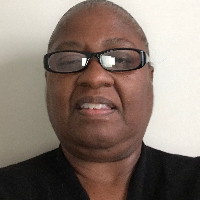
About Trina
Trina McDonald uses a client-centered approach to guide people through stress, addiction, grief, and relationship struggles. She combines compassion with practical tools so clients can build confidence and find clearer direction. Trina holds LPC and LCPC credentials and brings ten years of clinical experience to her work.
Her sessions focus on strengths and on steps that make daily life more manageable. Cognitive Behavioral Therapy techniques are used to spot unhelpful thoughts and practice different ways of responding.
Background and approach
Motivational Interviewing supports people who want to change habits, including patterns around substance use. Narrative Therapy is part of how she helps people reframe painful stories and see more than one path forward. Trina also weaves in her personal spiritual perspective when clients want that, using faith-based ideas like hope and love to bolster self-worth and recovery efforts.
She does not impose any belief system; spiritual content is introduced only when the client expresses interest. Over the past decade she has worked in a variety of settings, including independent practice. That background informs how she adapts sessions to each person.
Trina aims for clear goals, plain language, and actionable steps so therapy feels useful between meetings. Sessions are offered in English. She practices from North Carolina and is available to work with international clients through online formats.
How therapeutic approaches translate to online care
Client-Centered Therapy focuses on listening and following the client’s lead. The therapist reflects concerns, helps clarify priorities, and supports choices that feel right for the person. This approach helps with stress, grief, relationship issues, and building self-esteem.Cognitive Behavioral Therapy targets the links between thoughts, feelings, and actions. It teaches simple skills to notice unhelpful thoughts, test them, and practice different responses. CBT is useful for anxiety, depression, and coping with life changes.
Motivational Interviewing helps people find their own reasons to change. It uses open questions, reflective listening, and small goal-setting to build momentum. This approach is often used when addressing addictions or habits that a person wants to alter.
Finding the right mix of methods is part of the work. The therapist will talk with each person about goals, preferences, and what feels helpful. Together they decide which approaches to try and adjust them as progress is made.
Online therapy offers practical flexibility. Video calls allow face-to-face conversation and skill practice. Phone sessions are an option when bandwidth or camera use is difficult. Live chat and text messaging make it easier to check in between sessions or fit a brief session into a work break. These options make consistent care easier to coordinate with everyday life.
Questions people ask
What concerns does this therapist work with?
What is the therapy style like?
How much experience does she have?
What credentials and region are listed?
Can I work with her if I live outside the United States?
Which session formats are available?
How are fees handled?
What steps are needed to begin?
What this counselor works with
Most often
Also listed
- Anger management
- Bipolar disorder
- Caregiver issues and stress
- Communication problems
- Coping with life changes
- Depression
- Family conflicts
- Family problems
- Forgiveness
- Guilt and shame
- HIV / AIDS
- Intimacy-related issues
- Relationship issues
- Self esteem
- Self-love
- Trauma and abuse
- Women's issues
Therapeutic approaches
- Experience
- 10 years
- Licensed
- North Carolina, New Jersey, Alaska, Washington, Florida, Arizona, Nevada, Oregon
- Languages
- English