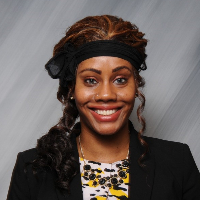
About Tina
Dr. Tina Lott helps people facing addiction, relationship strain, and mood or anxiety struggles. She is Dr.
Tina Lott, and she brings 11 years of clinical experience to her work in Illinois. She uses clear, practical methods so people can make steady progress. She focuses on co-occurring disorders and the overlap of substance use with mood and trauma-related concerns.
She also supports people dealing with grief, parenting stress, sleep and eating problems, and issues around intimacy and self-esteem.
Background and approach
Her practice addresses themes like abandonment, codependency, control issues, and building self-love. Her background includes advanced study in counseling and counselor education. She holds LCPC and LMHC credentials and teaches counseling at the graduate level.
That mix of academic work and hands-on clinical experience shapes a thoughtful, informed approach. In sessions she favors direct conversation and practical skills. People can expect help identifying patterns, learning coping strategies, and setting small goals.
She explains things plainly and works at a pace people can manage. Outside the office she balances family life with creative hobbies like painting and reading. She aims to reduce stigma around mental health and addiction through teaching and research.
That commitment informs how she talks about recovery and wellbeing in therapy.
Approaches that fit online care
Evidence-based techniques are used in straightforward ways. For example, cognitive-behavioral approaches focus on spotting unhelpful thoughts and changing behavior patterns to reduce anxiety, depression, and mood swings. Skills learned this way can be practiced between sessions to track progress.Another common approach emphasizes coping skills and relapse prevention for substance-related concerns and co-occurring disorders. This work breaks tasks into small steps, builds routines, and addresses triggers so people can manage cravings and mood changes more effectively.
Finding the right approach is a collaborative process. The therapist discusses goals and preferences, tries methods that seem to fit, and adjusts plans based on what helps. Clients and the therapist decide together which techniques to keep using.
Online therapy offers practical flexibility. Video calls let people use face-to-face conversation without travel. Phone sessions work well when bandwidth is limited or a shorter check-in is needed. Live chat and text-based messaging are convenient for brief updates, tracking emotions between sessions, or staying connected when schedules are tight. These options make it easier to fit therapy into daily life.
Questions people ask
What concerns does she help with?
What is her therapeutic style like?
How long has she been practicing?
Which credentials and location apply to this profile?
Can I work with her in other languages or from other countries?
What session formats are available?
How does payment and cost work?
How do I begin working with her?
What this counselor works with
Most often
- Addictions
- Relationship issues
- Trauma and abuse
Also listed
- Abandonment
- Anger management
- Bipolar disorder
- Codependency
- Control issues
- Depression
- Eating disorders
- Family conflicts
- Grief
- Intimacy-related issues
- LGBT
- Parenting issues
- Self esteem
- Self-love
- Sleeping disorders
- Stress, Anxiety
- Experience
- 11 years
- Licensed
- Illinois, Arizona, Washington
- Languages
- English