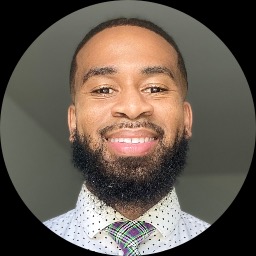
About Timothy
Timothy Hughes helps people dealing with stress, anxiety, family conflict, trauma and abuse, grief, and depression. He also focuses on questions about life purpose and building self-love. Timothy presents a calm, respectful presence in sessions and emphasizes compassion as a starting point.
Timothy is a Licensed Professional Counselor, with LPC credentials. He has five years of professional experience between Georgia and South Carolina. He adapts conversation and planning to each person's needs rather than using a single approach for everyone.
Background and approach
In sessions he listens closely and follows what matters most to the person in front of him. That might mean slowing down to name strong feelings, tracing how stress builds, or working through painful memories at a steady pace. He aims to make the work clear and practical so people can use it outside sessions.
He uses client-centered methods that place the person's perspective at the center of care. He also draws on emotionally focused ideas to help people understand and change how feelings shape relationships and reactions. Together these approaches guide a respectful, feeling-focused process.
Timothy supports people who want to make concrete changes in how they cope, relate, and move toward things that matter. He encourages small, achievable steps and partners with clients on goals and next actions.
Approaches that fit online care
Client-Centered Therapy places the person's experience front and center. The therapist listens closely, reflects what is said, and helps people find their own direction. This approach works well for stress, anxiety, and questions about life purpose where personal values and choices matter.Emotionally-Focused Therapy (EFT) focuses on identifying and shifting strong emotional patterns. It helps people name feelings, see how emotions affect reactions, and practice new ways of responding in relationships and in daily life. EFT is often useful for grief, trauma-related emotion, and patterns that drive anxiety or depression.
Finding the right approach is a collaborative process. The therapist will work with each person to decide which methods fit their needs, goals, and comfort level. That plan can change over time as progress is made and priorities shift.
Online sessions offer flexibility through video calls, phone sessions, live chat, and text-based messaging. Video calls let people work face-to-face from wherever they are. Phone sessions can be a better fit when bandwidth is limited or when camera-free conversation feels easier. Live chat or text-based messaging can support quick check-ins, shorter conversations, and steady contact between longer sessions. These options make it easier to schedule care around work, family, and travel.
Questions people ask
What kinds of concerns does Timothy address?
What is his general therapy style?
How much experience does he have?
What credentials and location are listed?
Which languages and international support are available?
How are sessions conducted?
How does cost and billing work?
What are the first steps to begin therapy?
What this counselor works with
Most often
- Stress, Anxiety
- Family conflicts
- Trauma and abuse
Also listed
Therapeutic approaches
- Experience
- 5 years
- Licensed
- South Carolina, Georgia
- Languages
- English