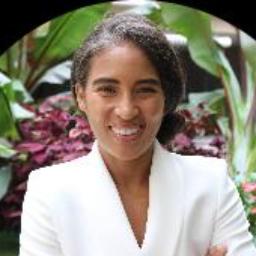
About Tasha
Tasha Temple is a licensed counselor who uses practical, evidence-based techniques to help people manage stress and anxiety. She brings 13 years of experience and works from a respectful, compassionate stance. Her goal is to create clear, doable steps people can try between sessions.
She helps with low mood and depression by focusing on small changes that build momentum. For anger and motivation issues she uses straightforward strategies to notice triggers and redirect energy.
Background and approach
She also supports people working on self-esteem, confidence, and self-love through skills and reflective conversation. Tasha addresses life transitions, grief, and the fallout from trauma and abuse with steady guidance and pacing set by the client. Career concerns, money-related stress, and commitment worries are handled with problem-solving and goal-focused work.
She also pays attention to body image, eating and food-related issues, co-morbidity, and Seasonal Affective Disorder when those are part of someone's story. Her approach is individualized: she tailors conversation and a treatment plan to match each person's needs and goals. Sessions aim to be practical and usable, with clear steps to practice between meetings.
Tasha emphasizes sensitivity to cultural background and other personal differences. Licensed in Georgia as an LPC and in North Carolina as an LCMHC, she offers care in English. Starting therapy is framed as a courageous step, and she positions herself as a steady, practical partner in that process.
Evidence-based approaches and online care
Many clients benefit from brief, practical techniques that focus on changing unhelpful patterns of thought and behavior. Cognitive-oriented work helps people identify negative thinking and replace it with more balanced thinking, which can reduce anxiety and low mood. Skill-based problem-solving focuses on breaking larger problems into manageable steps, helping with career stress, financial worries, and life transitions.Choosing the right approach is a collaborative process. The therapist will discuss goals, try methods, and adjust plans based on what feels most helpful. Clients are invited to give feedback so the work shapes to their needs and preferences.
Online formats offered include video calls, phone sessions, live chat, and text-based messaging. Video calls allow face-to-face interaction and visual cues, while phone sessions can fit a short break at work or require less bandwidth. Live chat and text messaging work well for quick check-ins, brief coaching, and ongoing support between longer sessions. These options provide flexibility for busy schedules and different comfort levels, making it easier to keep regular appointments and maintain forward progress.
Questions people ask
What concerns does she address?
What is her therapeutic style?
How much experience does she have?
Where is she licensed and located?
What languages are supported?
Which session formats are offered?
How does pricing work?
How do I begin working with her?
What this counselor works with
Most often
- Stress, Anxiety
- Anger management
- Self esteem
Also listed
- Body image
- Career difficulties
- Co-morbidity
- Coaching
- Commitment issues
- Coping with life changes
- Depression
- Eating and food-related issues
- Family conflicts
- First responder issues
- Grief
- Guilt and shame
- Money and financial issues
- Multicultural concerns
- Relationship issues
- Seasonal Affective Disorder (SAD)
- Self-love
- Trauma and abuse
- Experience
- 13 years
- Licensed
- Georgia, North Carolina
- Languages
- English