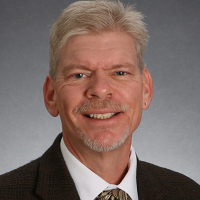
About Sean
Sean Evans uses a practical, person-centered approach to help people handle stress, anxiety, trauma, grief, and mood concerns. He draws on 16 years of clinical experience and focuses on building skills that make daily life feel safer and more manageable. He trained in counseling psychology and holds LPC (Licensed Professional Counselor) and LPCC (Licensed Professional Clinical Counselor) credentials.
Sean spent many years in community mental health, schools, and independent practice before practicing in New Mexico.
Background and approach
That range of settings shaped how he thinks about everyday struggles and recovery. In sessions he works collaboratively, listening first and then offering tools that fit each person's goals. He uses techniques from Cognitive Behavioral Therapy to change unhelpful thinking and behavior.
He also uses Client-Centered methods that prioritize the person's experience and pace. For people dealing with trauma, Sean includes approaches such as Eye Movement Desensitization and Reprocessing and narrative work to help process painful memories. He also brings psychodynamic ideas when it helps to understand recurring patterns rooted in past relationships.
His specialties include anxiety, depression, trauma and abuse, grief, parenting and family stress, ADHD, and issues around intimacy and relationships. He also supports people facing career strain, compassion fatigue, and life transitions. Sean aims to be a steady guide while people build practical coping skills.
Therapeutic approaches adapted for online care
Sean commonly uses Client-Centered Therapy, Cognitive Behavioral Therapy, and EMDR in his work. Client-Centered Therapy focuses on listening and meeting people where they are, helping them feel understood and guiding them toward their goals. Cognitive Behavioral Therapy helps identify and change unhelpful thoughts and behaviors, making day-to-day coping more effective. Eye Movement Desensitization and Reprocessing (EMDR) is used with trauma to process distressing memories and reduce their emotional intensity.Choosing the right approach is a collaborative process. He will talk with each person about their goals, symptoms, and preferences, then try methods that fit. If something doesn’t feel right, he adjusts the plan and tries other strategies together.
Online therapy offers flexible ways to connect: video calls for deeper conversation, phone sessions when bandwidth or cameras aren’t ideal, and live chat or text messaging for brief check-ins or ongoing support. These options make it easier to fit therapy into busy days, get a quick check-in between appointments, or choose a format that feels most comfortable for the work ahead.
Questions people ask
What kinds of concerns can I bring to therapy?
What is his general therapy style?
How much clinical experience does he have?
Where is he licensed and based?
Which languages are sessions offered in?
What session formats are available?
How are fees and payment handled?
How do I begin working with him?
What this counselor works with
Most often
Also listed
- ADHD
- Anger management
- Bipolar disorder
- Blended family issues
- Career difficulties
- Caregiver issues and stress
- Coaching
- Codependency
- Compassion fatigue
- Coping with life changes
- Coping with natural or human-caused disaster
- Depression
- Eating disorders
- Family conflicts
- Family of origin issues
- Family problems
- First responder issues
- Impulsivity
- Intimacy-related issues
- LGBT
- Men's issues
- Midlife crisis
- Mood disorders
- Parenting issues
- Post-traumatic stress
- Relationship issues
- Self esteem
- Sexual assault and abuse
- Sleeping disorders
- Veteran and Armed Forces Issues
Therapeutic approaches
- Experience
- 16 years
- Licensed
- Colorado, New Mexico
- Languages
- English