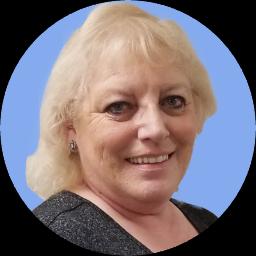
About Sally
Sally Bohanon-Davis helps people who are dealing with stress, anxiety, trauma and abuse, depression, and addictions. She writes short, direct plans and talks plainly so parents can understand next steps. Sally sees the first appointment as a chance to listen and plan together.
Sally is a Licensed Professional Counselor, LPC, and also holds an LCPC credential in Idaho while practicing from Texas. She has six years of clinical experience working alongside people with mood and personality concerns.
Background and approach
She uses known methods rather than one fixed style. Her sessions are conversational and goal-oriented. She combines client-centered listening with practical tools from cognitive behavioral therapy to change unhelpful thoughts and behaviors.
Mindfulness practices are offered when slowing down and noticing the present moment helps reduce anxiety. Sally also draws on psychodynamic ideas to look at how past patterns influence current feelings. Solution-focused techniques are used to set small, achievable goals and track progress.
For trauma-related issues she uses trauma-aware methods to reduce symptoms and increase safety. She aims to tailor each session to the individual. That means adjusting pace, homework, and methods to fit daily life and responsibilities.
The approach is collaborative so people leave with clear steps they can try between sessions.
Therapeutic approaches and online sessions that fit your life
Client-Centered Therapy focuses on listening and understanding each person's perspective. The therapist offers nonjudgmental attention and helps people identify their own goals and strengths. Cognitive Behavioral Therapy, or CBT, looks at the link between thoughts, feelings, and actions and teaches simple exercises to change patterns that feed anxiety or depression.Finding the right approach is part of the work. The therapist will talk with the client about their needs, goals, and preferences, then try methods that seem likely to help. Adjustments are made over time so sessions stay practical and relevant. Online formats include video calls, phone sessions, live chat, and text-based messaging. Video calls are close to in-person sessions and work well for in-depth conversations. Phone sessions are a good option when bandwidth is limited or a quicker check-in is needed. Live chat and text messaging let people share thoughts in shorter bursts and fit therapy into busy days. These online options make it easier to keep appointments, try different session lengths, and use methods that match daily routines. Licensed professionals can use these formats to deliver the same kinds of therapeutic techniques discussed in sessions, while keeping scheduling flexible and accessible.
Questions people ask
What concerns does she address?
How would you describe her therapy style?
What is her clinical background?
What credentials and location are listed?
Which languages are supported and are international clients accepted?
What session formats are available?
How are fees handled?
How do I begin working with her?
What this counselor works with
Also listed
- Abandonment
- Addictions
- Antisocial personality
- Codependency
- Control issues
- First responder issues
- Life purpose
- Mood disorders
- Personality disorders
- Post-traumatic stress
- Veteran and Armed Forces Issues
Therapeutic approaches
- Experience
- 6 years
- Licensed
- Texas, Idaho
- Languages
- English