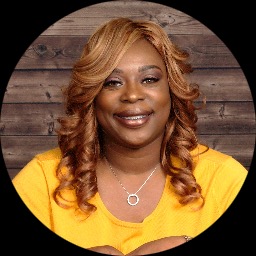
About Rosalind
Dr. Rosalind Smith is a Licensed Professional Counselor (LPC) who brings six years of clinical experience to her work. She focuses on helping people manage relationship struggles, family concerns, trauma and abuse, parenting pressures, and problems with anger.
Her style is warm and direct, and she keeps sessions focused on practical steps clients can use right away. Dr. Smith creates a space intended to feel accepting and nonjudgmental so people can speak openly about painful experiences.
Background and approach
She centers each session on the goals the client brings and builds plans that match those goals. Conversations move at a steady pace and aim to make change feel doable rather than overwhelming. Her background includes approaches that help with thinking patterns, emotional processing, and internal parts work.
She uses tools to address upsetting thoughts and to process traumatic memories when needed. She also draws on methods that explore how past family dynamics still affect present choices. Clients who come to Dr.
Smith often want clear ways to improve communication, manage intense mood states such as those seen with Disruptive Mood Dysregulation Disorder, or work through guilt and shame. She also helps people searching for life purpose, greater self-love, or forgiveness. Sessions are offered from Georgia and are conducted in English.
Dr. Smith offers live video, phone, live chat, and text-based messaging formats. Getting started involves a short matching questionnaire and scheduling a session that fits the client’s calendar.
Therapeutic approaches and online care
Dr. Smith uses Client-Centered Therapy to create a respectful, listening-first environment where people can talk through what matters to them. This approach focuses on understanding each person's perspective and building goals from their priorities.She also draws on Cognitive Behavioral Therapy (CBT) to identify unhelpful thinking patterns and to teach concrete skills for managing mood and behavior. CBT is useful for anxiety, anger, and many day-to-day struggles where changing thought habits helps reduce distress.
Finding the right approach is part of the work together. The therapist will listen to the client’s needs, goals, and preferences and then recommend methods that fit. Decisions about which techniques to use are made collaboratively and can shift as progress is made.
Online sessions are offered by video calls, phone, live chat, or text-based messaging to make therapy more flexible. Video lets people see facial expressions and body language, phone sessions work well when bandwidth is limited, live chat can be used for shorter check-ins, and text messaging supports ongoing reflection between meetings. These options allow clients to fit therapy into busy schedules and to choose the format that helps them engage best.
Questions people ask
What concerns does this therapist commonly help with?
What is the therapeutic style like in sessions?
What is the therapist's experience and background?
What credential and location information is available?
Which languages are supported and are international clients accepted?
What session formats are offered?
How is cost handled for sessions?
How do I begin working with this therapist?
What this counselor works with
Most often
- Relationship issues
- Family conflicts
- Trauma and abuse
Also listed
- Anger management
- Communication problems
- Disruptive Mood Dysregulation Disorder (DMDD)
- Family of origin issues
- Forgiveness
- Guilt and shame
- Life purpose
- Parenting issues
- Post-traumatic stress
- Self-love
Therapeutic approaches
- Experience
- 6 years
- Licensed
- Georgia
- Languages
- English