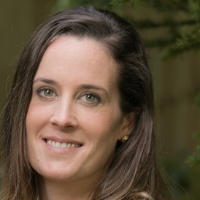
About Robin
Robin Glaser is a Licensed Professional Counselor who practices in South Carolina. She brings eight years of experience helping people navigate stress, anxiety, depression, trauma, and life transitions. Her work centers on listening carefully and building straightforward plans that match each person's goals.
Robin uses clear, practical tools in sessions. She draws on client-centered methods to focus the work on what matters to the individual. Cognitive behavioral strategies and mindfulness exercises are used to address thought patterns, mood, and sleep problems.
Background and approach
Her background includes outpatient and school-based settings, plus work with clients who have neurological differences and chronic health concerns. That range shaped a flexible approach to common issues like relationship problems, parenting strain, grief, and workplace stress. In sessions she prioritizes realistic goal setting and step-by-step plans.
Problem solving and solution-focused techniques help break larger concerns into manageable actions. She also uses trauma-informed methods when addressing post-traumatic stress and recovery from abuse. Sessions may include talking through reactions, learning coping skills, and practicing new habits between meetings.
Robin aims to help people feel heard, reduce distress, and move toward meaningful change at a steady pace.
Therapeutic approaches and online care
Robin often blends client-centered work with cognitive behavioral therapy to help people change unhelpful thought patterns and build new habits. Client-centered therapy focuses on listening and shaping goals around what matters most to the individual, which can be useful for issues like low self-esteem, relationship strain, and life transitions. Cognitive behavioral therapy (CBT) uses practical exercises and homework to address anxiety, depression, sleep problems, and panic symptoms.She also uses mindfulness techniques to help people manage stress and stay grounded when emotions feel overwhelming. Mindfulness involves simple attention and breathing practices that can reduce reactivity and improve focus over time. Finding the right approach is a collaborative process; the therapist will work with each person to match methods to their goals, needs, and preferences rather than using a single fixed plan.
Online sessions are offered by video call, phone, live chat, or text-based messaging to provide flexibility. Video calls allow face-to-face conversation when that is helpful. Phone sessions can work better when bandwidth is limited or when people prefer not to use video. Chat and messaging offer brief check-ins, shorter therapy moments, and an option for ongoing written support between longer sessions.
Questions people ask
What types of concerns can be addressed in therapy?
How would you describe the therapy style?
What is Robin's professional background?
Where is this therapist licensed and located?
Are sessions offered in other languages or to international clients?
What formats are available for sessions?
How is cost handled for therapy?
How do I begin working with this therapist?
What this counselor works with
Most often
- Stress, Anxiety
- Trauma and abuse
- Anger management
Also listed
- ADHD
- Autism and Asperger Syndrome
- Bipolar disorder
- Career difficulties
- Chronic pain, illness, and disability
- Coaching
- Communication problems
- Coping with life changes
- Depression
- Disruptive Mood Dysregulation Disorder (DMDD)
- Family conflicts
- Family problems
- Grief
- Impulsivity
- Intellectual disability
- Intimacy-related issues
- Mood disorders
- Obsessions, compulsions, and OCD
- Panic disorder and panic attacks
- Paranoia
- Parenting issues
- Post-traumatic stress
- Relationship issues
- Self esteem
- Sexual assault and abuse
- Sleeping disorders
- Social anxiety and phobia
- Somatization
- Traumatic brain injury
- Young adult issues
Therapeutic approaches
- Experience
- 8 years
- Licensed
- South Carolina
- Languages
- English