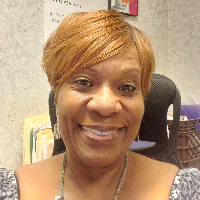
About Rachel
Rachel Palmore is a licensed professional counselor (LPC) in Alabama with about 20 years of experience. She offers a calm, direct presence and focuses on helping people manage stress, anxiety, grief, low self-esteem, and life transitions. Parents reading this will find straightforward guidance and an emphasis on practical next steps.
Rachel uses plain conversation, active listening, and gentle reflection to help people name what is hard and decide what to try next.
Background and approach
She combines client-centered care with tools from cognitive behavioral approaches and emotionally focused work. Sessions often include short, doable homework and small experiments to try between meetings. Her background includes broad clinical experience across diverse settings.
Over two decades she has supported people facing trauma, relationship struggles, parenting strain, career uncertainty, and seasonal mood changes. She also pays attention to adoption, foster care, multicultural concerns, and discrimination. In practice she blends mindfulness and motivational interviewing when appropriate.
That means pausing to notice reactions, then using focused questions to find motivation for change. The result is a mix of feeling heard and leaving with concrete steps to try. Rachel encourages people to bring their real-life worries to sessions.
Conversations are practical and paced to the client's comfort. She often helps people set small goals and track what changes between sessions.
Therapeutic approaches and online care
Rachel often draws on client-centered therapy to create a space where the person feels heard. That approach focuses on listening, reflecting feelings, and helping people identify their own priorities and goals. She also uses cognitive behavioral therapy to help spot unhelpful thoughts and try new behaviors; CBT is useful for anxiety, depression, and stress management.Finding the right mix of approaches is part of the work together. The therapist will collaborate with each person to choose methods that match their goals, preferences, and what feels most helpful. Plans can change as progress is made and new challenges arise.
Online formats include video calls, phone sessions, live chat, and text-based messaging to make care more flexible. Video calls work well for longer conversations and visual cues. Phone sessions can fit a break at work or when bandwidth is limited. Live chat or text-based messaging suits brief check-ins, quick coaching, or people who prefer writing. These options help people fit therapy into busy lives and access support from different locations.
Questions people ask
What concerns does Rachel commonly help with?
What is her approach or style in sessions?
How much experience does she have?
What credentials and location apply to this therapist?
Which languages are available and are international clients accepted?
What session formats are offered?
How is cost handled for sessions?
How does someone begin working with Rachel?
What this counselor works with
Most often
Also listed
- ADHD
- Adoption and foster care
- Anger management
- Bipolar disorder
- Career difficulties
- Coaching
- Compassion fatigue
- Coping with life changes
- Depression
- Intimacy-related issues
- Multicultural concerns
- Parenting issues
- Prejudice and discrimination
- Relationship issues
- Seasonal Affective Disorder (SAD)
- Trauma and abuse
- Women's issues
Therapeutic approaches
- Experience
- 20 years
- Licensed
- Alabama
- Languages
- English