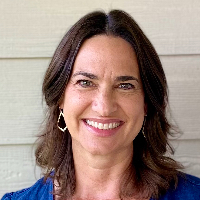
About Rachel
Rachel Garry is a Licensed Professional Counselor who brings five years of clinical experience in Texas. She has worked in settings such as a family counseling center, an outpatient hospital, and a community college. Rachel focuses on practical help for everyday problems so people can feel more able to cope.
She helps people manage stress, anxiety, depression, and sleep problems. She also supports those dealing with addiction, grief, and trauma and abuse.
Background and approach
Career and educational decisions, relationship strain, and parenting concerns are part of her work, too. Rachel uses a client-centered style that keeps each person’s needs first. She listens for what is working and what needs to change, then adapts tools to fit the person.
That may mean trying cognitive behavioral techniques to change unhelpful thoughts and behaviors. She often uses solution-focused strategies to set small, reachable goals. Motivational interviewing appears when someone needs help finding motivation to change habits.
Mindfulness exercises are used to reduce racing thoughts and improve sleep patterns. Rachel describes therapy as a collaborative process. She works with people to choose approaches that match their goals and preferences.
Her aim is steady, practical progress so daily life feels more manageable.
Approaches that translate well to online therapy
Client-centered therapy focuses on listening and tailoring each session to what the person needs most; it helps when someone feels overwhelmed and wants a respectful, steady space to talk. Cognitive behavioral therapy, or CBT, looks at thoughts and behaviors and uses exercises to reduce anxiety, manage mood, and improve sleep. Mindfulness therapy teaches simple attention and breathing practices to lower stress and help with racing thoughts.Finding the right approach is part of the work together. The therapist will talk with the client about goals, try different techniques, and adjust plans based on what helps. That collaboration makes it easier to choose whether to emphasize CBT exercises, mindfulness, or solution-focused steps.
Online therapy offers flexible ways to meet. Video calls let people see facial cues and work through exercises together. Phone sessions are useful when bandwidth is limited or when someone prefers not to be on camera. Live chat and text-based messaging can support quick check-ins, shorter coaching-style notes, or ongoing reminders between sessions. These options help fit therapy into a busy life while keeping the focus on progress and practical tools.
Questions people ask
What kinds of concerns does Rachel address?
How would you describe her therapy style?
What is her background and experience?
What credentials and location information are available?
Does she offer services in other languages or internationally?
What session formats are available?
How are fees and payments handled?
How do I begin working with her?
What this counselor works with
Most often
- Stress, Anxiety
- Family conflicts
- Sleeping disorders
Also listed
- Addictions
- ADHD
- Anger management
- Bipolar disorder
- Career difficulties
- Control issues
- Coping with life changes
- Depression
- Family problems
- Forgiveness
- Grief
- Life purpose
- Mood disorders
- Parenting issues
- Relationship issues
- Self esteem
- Trauma and abuse
- Women's issues
Therapeutic approaches
- Experience
- 5 years
- Licensed
- Texas
- Languages
- English