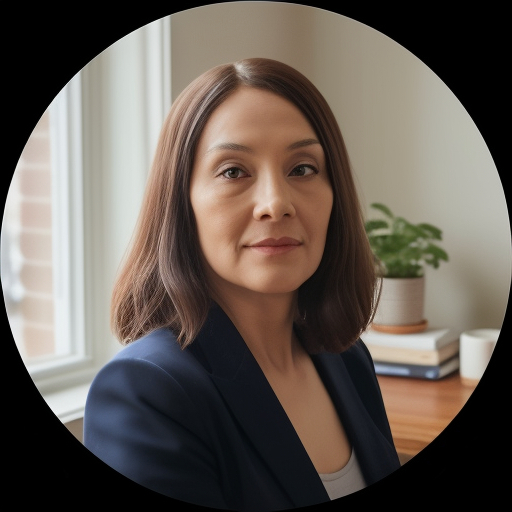
About Patricia
Patricia Curran offers calm, straightforward support to people facing stress, anxiety, grief, depression, and major life changes. She introduces practical ways to cope and helps clients identify small, manageable steps toward clearer thinking and improved day-to-day functioning. Patricia writes plainly and listens closely to each person's story before suggesting ways forward.
With 36 years of experience, Patricia brings broad exposure from outpatient, inpatient, and confinement settings. She holds a Master’s degree in Clinical Psychology and is licensed as an LPC - Licensed Professional Counselor and as an LMHC - Licensed Mental Health Counselor.
Background and approach
That background informs a flexible, experience-based way of working rather than a single method. Her sessions emphasize finding the client’s own answers while teaching skills to change unhelpful thoughts and behaviors. Patricia uses elements from client-centered work, cognitive behavioral techniques, dialectical skills, motivational interviewing, and solution-focused methods.
She adapts tools to what each person needs in the moment. Typical concerns addressed include addictions, relationship and intimacy issues, trauma and abuse, anger, self-esteem, career stress, compassion fatigue, and caregiver strain. She also supports people coping with aging, cancer, hospice and end-of-life issues, divorce, and midlife transitions.
Patricia aims to make therapy practical. Conversations are used to clarify goals, try new strategies, and track progress. She helps people build coping habits they can keep using long after sessions end.
How therapeutic approaches translate to online care
Client-centered therapy focuses on listening and creating a nonjudgmental space so clients can find their own solutions; online sessions let that conversation happen by video, phone, chat, or messaging. Cognitive Behavioral Therapy, or CBT, teaches practical skills to change unhelpful thinking and behavior patterns and works well for anxiety, depression, and stress-related problems in short exercises or homework between sessions. Dialectical Behavior Therapy, or DBT, provides skills for managing intense emotions and improving relationships through techniques like grounding, emotion regulation, and distress tolerance that translate well to coachable steps in remote sessions.Finding the right approach is part of the work. The therapist will collaborate with each person to choose techniques that match needs and goals. That means trying methods, checking what helps, and adjusting the plan together rather than committing to one path from the start.
Online therapy offers flexibility for different rhythms of life. Video sessions approximate an in-person conversation, phone calls work when bandwidth or camera use is limited, live chat is useful for quick check-ins, and text messaging supports ongoing reflection between appointments. These options make it easier to fit therapy into work, caregiving, or treatment schedules and to practice new skills in everyday settings.
Questions people ask
What kinds of problems does she help with?
How would you describe her therapy style?
What experience does she bring to sessions?
What are her credentials and where is she based?
Can sessions be held in languages other than English?
Which session formats are available?
How much does therapy cost?
How do I begin working with her?
What this counselor works with
Most often
Also listed
- Addictions
- Aging and geriatric issues
- Anger management
- Cancer
- Career difficulties
- Caregiver issues and stress
- Compassion fatigue
- Coping with life changes
- Divorce and separation
- Emptiness
- Family conflicts
- Hospice and end-of-life counseling
- Intimacy-related issues
- Midlife crisis
- Relationship issues
- Self esteem
- Trauma and abuse
Therapeutic approaches
- Experience
- 36 years
- Licensed
- Washington, Arizona
- Languages
- English