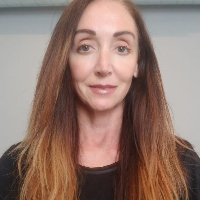
About Pamela
Pamela (Pam) Heyman uses a client-centered way of working to help people manage stress, anxiety, depression, relationship challenges, and life transitions. She is a Licensed Professional Counselor, LPC, practicing in Pennsylvania. Her approach keeps the person's goals and priorities at the center of each session.
Pam has 13 years of clinical experience in community mental health centers, hospitals, schools, and agencies. She has also managed therapy programs and provided supervision to other professionals pursuing licensure.
Background and approach
That variety of settings shaped a practical outlook on solving everyday problems. Sessions focus on what matters most to the person. Pam blends solution-focused work with motivational interviewing and mindfulness to help people set clear steps and stay motivated.
Conversations are collaborative and tailored to the individual's needs. She draws on simple, evidence-informed techniques such as mindfulness exercises, goal-setting, and ways to shift unhelpful thinking. These tools are adapted to issues like sleep and eating problems, anger, grief, and caregiver stress.
The work aims to create small, steady changes that add up over time. Pam also supports people facing workplace strain, career questions, money worries, or midlife decisions. She addresses intimacy concerns, commitment questions, and non-monogamous relationship dynamics when they come up.
Her style is straightforward and focused on helping clients move toward the life they want.
Approaches you can use online with a counselor
Client-centered therapy emphasizes listening and tailoring sessions to each person's goals. The therapist focuses on what the person wants to change and builds sessions around their priorities, which helps with issues like self-esteem, family concerns, and life direction.Mindfulness therapy teaches simple attention and breathing practices to reduce reactivity and ease anxiety. These techniques help with sleep, stress, anger, and coping with difficult emotions by building small daily habits.
Finding the right approach is collaborative. The therapist will work with the client to decide whether client-centered talk, mindfulness practices, motivational interviewing techniques, or a mix feels like the best fit based on goals and preferences. Plans are adjusted as progress is made.
Online sessions offer flexible ways to meet. Video calls allow face-to-face conversation, phone sessions can be easier when bandwidth is limited, live chat suits quick check-ins, and text-based messaging supports ongoing reflection between meetings. These options make it simpler to fit therapy into workdays, caregiving schedules, or busy routines while keeping the focus on steady, practical progress.
Questions people ask
What kinds of concerns does this therapist address?
What is the general therapy style and approach?
What is the therapist's background and experience?
Which credentials and location apply to this therapist?
Are sessions offered in other languages or to international clients?
What session formats are available for online work?
How is cost handled for sessions?
How do I start a therapy process with this clinician?
What this counselor works with
Most often
- Stress, Anxiety
- Family conflicts
- Parenting issues
Also listed
- Addictions
- Anger management
- Bipolar disorder
- Career difficulties
- Caregiver issues and stress
- Coaching
- Commitment issues
- Communication problems
- Compassion fatigue
- Coping with life changes
- Depression
- Divorce and separation
- Eating disorders
- Family problems
- Grief
- Infidelity
- Intimacy-related issues
- Life purpose
- Midlife crisis
- Money and financial issues
- Phobias
- Polyamory / non-monogamous relationships
- Relationship issues
- Seasonal Affective Disorder (SAD)
- Self esteem
- Sleeping disorders
- Trauma and abuse
- Women's issues
- Workplace issues
Therapeutic approaches
- Experience
- 13 years
- Licensed
- Pennsylvania, Delaware
- Languages
- English