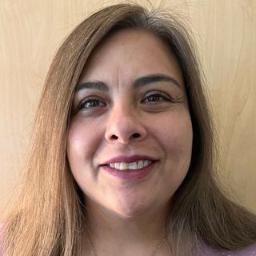
About Monica
Monica Amaro uses practical, solution-focused methods to help people manage stress and mood concerns. She practices Cognitive Behavioral Therapy and focuses on clear thinking, manageable steps, and changing unhelpful patterns. Monica identifies as an LPC, a licensed professional counselor practicing in Texas, and brings ten years of experience to her work.
She helps with anxiety, depression, bipolar mood concerns, and the effects of trauma and abuse. Monica also supports people coping with life changes such as divorce or workplace stress.
Background and approach
Conversations tend to center on immediate problems, realistic goals, and simple skills to try between sessions. Her style is straightforward and calm. Monica aims to create a space where clients can talk without judgment.
She encourages small, steady changes and practical tools that fit day-to-day life. Monica often uses cognitive-behavioral techniques to identify stressful thinking and replace it with choices that lead to better mood and functioning. She pairs this with problem-solving around communication breakdowns, forgiveness, and finding life purpose when old routines no longer work.
Clients can expect direct feedback, a focus on what can change now, and step-by-step planning. Sessions may include short at-home practices to build new habits. Monica frames therapy as a collaborative process where client goals guide each step.
How CBT and Online Sessions Work Together
Monica commonly uses Cognitive Behavioral Therapy, which focuses on spotting unhelpful thoughts and testing new, more useful ways of thinking. CBT helps with anxiety, low mood, bipolar mood shifts, and stress by turning problems into small, practical steps to try between sessions.Finding the right approach is part of the work. Monica will talk with each person about their goals and preferences and together they will decide how to use CBT strategies and problem-solving tools. That collaboration guides the pace and focus of sessions so techniques match real-life needs.
Online formats make regular work more doable. Video calls let the therapist and client speak face-to-face for lessons, role plays, and guided exercises. Phone sessions are useful when bandwidth is limited or a shorter check-in is needed. Live chat and text-based messaging allow quick reflections, written exercises, and ongoing support between appointments. These options help people fit therapy into busy schedules and keep progress moving forward.
Questions people ask
What concerns does Monica address?
What is her therapy style like?
How much clinical experience does she have?
Where is she licensed and based?
Which languages are supported for sessions?
What formats are used for appointments?
How is payment handled?
How do I begin working together?
What this counselor works with
Most often
- Stress, Anxiety
- Trauma and abuse
- Bipolar disorder
Also listed
Therapeutic approaches
- Experience
- 10 years
- Licensed
- Texas
- Languages
- English