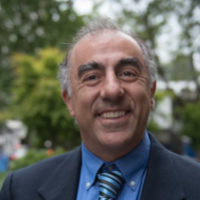
About Mohammad
Mohammad Bader is a licensed counselor who focuses on helping people through stress, anxiety, grief, and life transitions. He brings 25 years of experience and works from Oregon. He aims to make first contacts feel simple and direct so families and individuals can focus on the issues that matter most.
He keeps sessions straightforward and practical. He listens first, then helps people identify small changes that can make daily life easier.
Background and approach
He also supports people facing discrimination, immigration challenges, or gender identity questions, and he speaks English and Arabic. Mohammad uses several therapy styles to match a person’s needs. He often draws on cognitive behavioral ideas to spot and change unhelpful thinking.
He uses client-centered methods to follow what each person brings to the session and to build a trusting working relationship. He also uses acceptance and commitment ideas to help people live by their values even while they manage difficult feelings. Emotion-focused methods come into play when relationship or attachment patterns are the main concern.
Mohammad describes his role as collaborative - he helps people try tools and then adjusts them based on what works. Sessions can include coaching elements for career or life-change decisions, and he addresses specific topics such as addiction, sleep problems, compassion fatigue, and parenting strain. The focus is on practical steps, clearer thinking, and steady progress over time.
New clients begin by completing a short matching questionnaire and scheduling a session. Mohammad frames therapy as a step-by-step process and helps people set realistic goals they can practice between meetings.
Therapy methods adapted for online care
Acceptance and Commitment Therapy, or ACT, encourages people to notice thoughts and feelings without getting stuck in them and to act toward what matters most. It is often useful for anxiety, stress, and major life choices. Cognitive Behavioral Therapy, or CBT, helps identify thought patterns that increase distress and teaches skills to change those patterns and behaviors; it is practical for depression, anxiety, and sleep issues. Client-Centered Therapy focuses on following the person's lead in session, offering empathy and support so each person can find their own solutions.Choosing the right approach is part of the work together. The therapist will discuss goals and preferences and recommend one or a mix of methods. This is a collaborative process that can be adjusted as progress is made.
Online formats available include video calls, phone sessions, live chat, and text-based messaging. Video sessions let people use visual cues and practice skills in real time. Phone sessions can be a good fit when bandwidth is limited or when a shorter check-in is needed. Live chat and messaging offer flexibility for quick reflections, written exercises, or follow-up between sessions. These options make it easier to fit therapy into work, caregiving, or other busy schedules while still using the chosen therapeutic approaches.
Questions people ask
What issues does Mohammad commonly address?
What is his style in therapy?
How much experience does he bring?
What credentials and region are listed?
Which languages are available for sessions?
What session formats are offered?
How does payment and cost work?
How do I begin working with him?
What this counselor works with
Most often
- Stress, Anxiety
- Relationship issues
- Grief
Also listed
- Addictions
- ADHD
- Anger management
- Career difficulties
- Coaching
- Compassion fatigue
- Coping with life changes
- Depression
- Family conflicts
- First responder issues
- Forgiveness
- Gender dysphoria
- Hearing impaired
- Immigration issues
- Infidelity
- Jealousy
- LGBT
- Multicultural concerns
- Parenting issues
- Phobias
- Prejudice and discrimination
- Self esteem
- Sleeping disorders
- Trauma and abuse
Therapeutic approaches
- Experience
- 25 years
- Licensed
- Oregon, Washington
- Languages
- English, Arabic