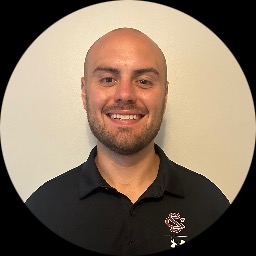
About Michael
Michael Settepani is a licensed professional counselor with three years of clinical experience. He is credentialed as an LPC and as an LCMHC and practices in South Carolina. He focuses on meeting people where they are and helping them take practical steps toward feeling better.
Settepani helps people work through stress and anxiety in straightforward ways. He also supports those dealing with low self-esteem, depression, and motivation struggles. He helps people navigate life changes and build everyday coping skills.
Background and approach
In sessions he aims to create an open, nonjudgmental space where clients can talk about thoughts and feelings. Conversations are collaborative and goal-focused. He emphasizes clear communication and practical strategies people can use between meetings.
He pays particular attention to communication problems and men's issues when they come up, and has experience with mood disorders, panic attacks, social anxiety, and seasonal affective disorder. He also works with young adult issues and the transitions that often bring. People who want a supportive guide for managing symptoms and making concrete changes may find his style helpful.
He encourages small steps and regular check-ins to track progress. The overall aim is steady, manageable improvement rather than quick fixes.
How evidence-based techniques work online
Many effective approaches focus on teaching clear, practical skills people can use day to day. One common approach emphasizes learning concrete coping strategies for anxiety and panic - breathing, grounding, and brief behavioral experiments to reduce avoidance. These methods help with panic attacks, social anxiety, and general worry.Another approach centers on identifying and changing unhelpful thinking patterns that fuel low mood and low self-esteem. This involves practicing alternative thoughts, testing beliefs in real situations, and building activities that boost motivation and confidence. This style can be useful for depression, seasonal mood changes, and motivation difficulties.
Finding the best approach is part of the work. The therapist will collaborate with each person to decide which techniques fit their goals, comfort level, and day-to-day life. That plan can change as needs shift and progress is tracked together.
Online therapy offers flexible ways to connect. Video calls allow face-to-face conversation and visual cues. Phone sessions work well when bandwidth is limited or a shorter check-in is needed. Live chat and text-based messaging let people send notes between sessions or check in when schedules are tight. These options make it easier to fit regular sessions into busy lives and to keep momentum between meetings.
Questions people ask
What kinds of concerns does he address?
What is his therapy style like?
How much clinical experience does he have?
What credentials and location apply?
Can I work with him if English is not my first language?
Are international clients supported?
Which session formats are available?
How do I begin working with him?
What this counselor works with
Most often
Also listed
- Experience
- 3 years
- Licensed
- Georgia, South Carolina, North Carolina
- Languages
- English