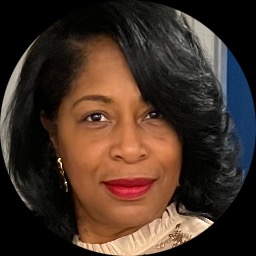
About Marlo
Marlo Wilson is a Licensed Professional Counselor and a Licensed Clinical Mental Health Counselor who offers a warm, conversational approach to therapy. She keeps sessions relaxed and focused on practical steps. Her style aims to help people feel understood while they decide what changes to make in their lives.
Wilson concentrates on stress, anxiety, anger, low self-esteem, depression, and ADHD. She also addresses caregiver stress, communication problems, forgiveness work, life purpose, and building self-love.
Background and approach
Sessions emphasize small, doable changes that build up over time. She uses Cognitive Behavioral Therapy, Motivational Interviewing, and Solution-Focused Therapy to help people notice unhelpful thinking, find motivation, and set clear short-term goals. The work often includes looking at daily thoughts and actions and trying simple experiments to see what shifts.
With three years in a clinical counseling role under the LPC and LCMHC credentials, Wilson blends practical tools with supportive conversation. She aims to help clients gain insight and try new habits rather than promise quick fixes. People who come to her can expect straightforward talk about what’s getting in the way and a step-by-step plan for change.
Sessions are meant to be approachable and useful for day-to-day life.
Therapeutic approaches and online sessions
Marlo Wilson uses Cognitive Behavioral Therapy to help people spot patterns of thinking that fuel stress and anxiety, then practice new ways of thinking and acting. She also uses Motivational Interviewing to help clarify a person's reasons to change and to build the small momentum needed to start new habits. Solution-Focused Therapy appears in sessions as focused goal-setting and short experiments to test changes quickly.Finding the right approach is a team effort. Wilson works with each person to choose methods that match their goals and preferences. Together they set practical aims, try techniques, and check what helps most over time.
Online therapy makes these approaches flexible. Video calls allow face-to-face conversation and shared worksheets. Phone sessions are useful when bandwidth is limited or for a shorter check-in. Live chat and text-based messaging work well for brief updates, homework support, or when someone prefers written exchanges. These options let people fit counseling into busy days and keep momentum between sessions.
Questions people ask
What concerns does this therapist address?
What is the therapy style like?
What experience does the therapist have?
Where is the therapist located and what credentials do they hold?
Are sessions offered in other languages or to international clients?
Which session formats are available?
How are costs and billing handled?
How do I begin working with this therapist?
What this counselor works with
Most often
- Stress, Anxiety
- Anger management
- Self esteem
Also listed
Therapeutic approaches
- Experience
- 3 years
- Licensed
- South Carolina, North Carolina
- Languages
- English