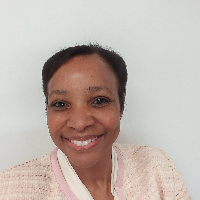
About Marie
Dr. Marie Smith greets people with a calm, practical approach. She draws on 25 years of counseling experience to help people facing stress, anxiety, grief, relationship strain, addiction concerns, and career uncertainty.
She holds a Ph.D. and practices as a licensed mental health counselor and a licensed professional counselor in Louisiana. She focuses on everyday hurdles that affect relationships and personal goals. Sessions often look at how past experiences shape present choices.
Background and approach
Together with each person she identifies concrete steps to reduce symptoms and improve coping skills. Her background includes work in schools, hospitals, clinics, and correctional settings. That variety shaped how she tailors support for different life stages and transitions.
She also has experience addressing developmental and intellectual disabilities and autism spectrum concerns. Dr. Smith uses several therapeutic methods to match a person's needs.
These include client-centered listening, cognitive behavioral tools to spot unhelpful thoughts, dialectical behavior skills for emotion regulation, and trauma-focused steps when past harm affects daily life. Her style mixes practical skill building with reflective conversation. People can expect clear goals, hands-on strategies, and attention to how family, work, and life events interact.
She draws on her decades as an educator and administrator to help people plan realistic changes and next steps.
Therapeutic approaches for online care
Dr. Smith often combines client-centered therapy and cognitive behavioral therapy in online sessions. Client-centered therapy focuses on listening, reflecting, and helping people find their own answers. It works well for people who want a supportive space to talk through life transitions and relationship strain. Cognitive behavioral therapy helps identify unhelpful thoughts and builds practical skills to change patterns tied to anxiety, depression, or stress.She also uses elements of dialectical behavior therapy when intense emotions or impulsivity are present. DBT supplies concrete regulation and interpersonal tools that can be practiced between sessions. Choosing an approach is collaborative - she will work with each person to decide which methods fit their goals, needs, and day-to-day routine.
Online sessions are offered by video call, phone, live chat, or text-based messaging to make care more flexible. Video is useful for full sessions that mirror office visits. Phone sessions can be easier when bandwidth is limited or a camera isn’t desired. Live chat and text work well for brief check-ins, skill practice, or ongoing coaching-style support. These options let people fit therapy into work, school, or caregiving schedules while using approaches that match their concerns.
Questions people ask
What concerns does she help with?
What is her therapeutic style like?
How much experience does she have?
What credentials and location are on file?
Which languages are supported?
What session formats are available?
How is cost handled?
How do I begin working with this therapist?
What this counselor works with
Most often
- Stress, Anxiety
- Family conflicts
- Trauma and abuse
Also listed
- Abandonment
- Addictions
- Adoption and foster care
- Attachment issues
- Autism and Asperger Syndrome
- Career difficulties
- Caregiver issues and stress
- Coaching
- Coping with natural or human-caused disaster
- Depression
- Divorce and separation
- Family problems
- Grief
- Impulsivity
- Intellectual disability
- Prejudice and discrimination
- Relationship issues
- Women's issues
- Young adult issues
Therapeutic approaches
- Experience
- 25 years
- Licensed
- Louisiana, Florida
- Languages
- English