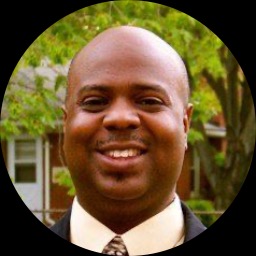
About Marcas
Marcas Bradley is a licensed clinician with two credentials: LCPC and LPC-MH. He brings 20 years of professional experience to conversations about stress, anxiety, relationships, family concerns, and depression. He draws on clients' strengths and partners with them to find workable change.
He keeps sessions straightforward and practical. He listens for what matters most and helps people set clear, manageable goals. Conversations focus on what the client wants to change, and on steps that can be tried between sessions.
Background and approach
Bradley is comfortable addressing painful topics such as trauma, grief, and intimacy-related issues. He also helps people with anger, addictions, and parenting stresses. Additional focus areas include abandonment, adoption and foster care, caregiver issues, fatherhood concerns, control issues, and multicultural matters.
He approaches work with respect for each person’s background and life story. Clients can expect a collaborative tone that emphasizes their own strengths. Over time the aim is clearer direction, better coping, and more satisfying day-to-day choices.
Sessions are offered in English and are available to people in Michigan as well as international clients. Formats include video calls, phone sessions, live chat, and text-based messaging. Start by completing a short matching questionnaire and scheduling a time that fits the client’s routine.
Practical approaches for online care
Two common evidence-based techniques used in this practice include goal-focused problem solving and skills-based coping work. Goal-focused problem solving breaks larger issues into small steps and helps people try concrete changes. Skills-based coping work teaches tools for managing anxiety, anger, cravings, or intense emotions so daily life feels more manageable.Another useful approach is strengths-focused coaching, which highlights what a person already does well and builds on those abilities. This helps when someone feels stuck or unsure about next steps and supports steady progress rather than sudden overhaul.
Finding the right mix of approaches is part of the process. The therapist will talk with each person about their needs, goals, and preferences and decide together which methods to try. That collaborative planning makes it easier to adjust the plan if something isn’t working.
Online formats offered include video calls, phone sessions, live chat, and text-based messaging. Video is useful for longer sessions and more in-depth work, phone sessions can be easier when bandwidth is limited, and messaging or chat can fit quick check-ins or brief support between appointments. These options make it simpler to schedule sessions around work, caregiving, or travel while keeping continuity of care.
Questions people ask
What concerns does he address?
What is his therapy style like?
How much experience does he have?
What credentials and location apply?
Which languages are supported?
What session formats are available?
How does payment and cost work?
How do I begin working with him?
What this counselor works with
Most often
- Stress, Anxiety
- Relationship issues
- Family conflicts
Also listed
- Abandonment
- Addictions
- Adoption and foster care
- Anger management
- Career difficulties
- Caregiver issues and stress
- Control issues
- Coping with life changes
- Depression
- Family problems
- Fatherhood issues
- Forgiveness
- Grief
- Intimacy-related issues
- Life purpose
- Men's issues
- Multicultural concerns
- Parenting issues
- Self esteem
- Trauma and abuse
- Experience
- 20 years
- Licensed
- California, Michigan, Delaware, Idaho, Montana
- Languages
- English