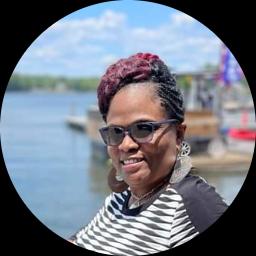
About Loretta
Loretta Harris is a licensed professional counselor practicing in South Carolina with six years of experience. She helps people who are struggling with stress, anxiety, depression, and the effects of trauma. Loretta approaches each person as the expert on their own life and looks for strengths to build on.
Her work centers on clear, practical steps rather than long explanations. Sessions focus on what feels most urgent and on small changes that can make life feel steadier.
Background and approach
She aims to move people toward a more fulfilling and happier life at a pace that feels right for them. Loretta uses Cognitive Behavioral Therapy to identify unhelpful thoughts and patterns. That method helps people notice how thoughts, feelings, and actions connect.
She combines that with attentive listening and straightforward problem solving. She also supports people facing relationship strain, grief, intimacy concerns, and mood disorders including bipolar and seasonal patterns. Additional areas of focus include abandonment, attachment difficulties, postpartum depression, and recovery from sexual assault and abuse.
Sessions can include talk-based work and practical exercises to try between meetings. Loretta emphasizes compassion and realistic goals so progress feels manageable. Taking the first step is often the hardest part, and she focuses on supporting clients through that beginning work.
CBT and online care that fits your life
CBT, or Cognitive Behavioral Therapy, focuses on identifying thoughts and behaviors that keep problems going. It helps people learn new ways to react to stress, panic, or low mood by practicing different thoughts and small behavioral changes. This approach is often used for anxiety, depression, panic attacks, and mood-related difficulties.In online sessions she uses practical exercises drawn from CBT and pairs them with listening and problem solving. Treatment choices are collaborative - the therapist and client decide together which strategies to try based on needs and goals. Adjustments are made as progress unfolds so the plan stays useful and realistic.
Online formats include video calls, phone sessions, live chat, and text-based messaging. Video is helpful for deeper conversations and visual cues. Phone sessions can fit a tight schedule or work when bandwidth is limited. Live chat and text messaging allow for shorter check-ins, quick skill practice, or support between meetings. These options make it easier to match therapy to daily life and to keep momentum while working toward change.
Questions people ask
What kinds of concerns does she help with?
What is her general therapy style?
How much clinical experience does she have?
What credentials and region are listed?
Which languages are supported and are international clients accepted?
In what formats are sessions offered?
How does cost and billing work?
What are the first steps to begin working together?
What this counselor works with
Most often
- Stress, Anxiety
- Relationship issues
- Trauma and abuse
Also listed
- Abandonment
- Adoption and foster care
- Attachment issues
- Bipolar disorder
- Compassion fatigue
- Coping with life changes
- Depression
- Family conflicts
- Grief
- Guilt and shame
- Impulsivity
- Intimacy-related issues
- Isolation / loneliness
- Mood disorders
- Panic disorder and panic attacks
- Postpartum depression
- Seasonal Affective Disorder (SAD)
- Self esteem
- Sexual assault and abuse
- Young adult issues
Therapeutic approaches
- Experience
- 6 years
- Licensed
- South Carolina
- Languages
- English