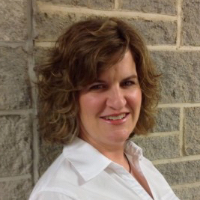
About Laurie
Laurie Mombay is a counselor based in Maryland who helps people dealing with stress, anxiety, depression, anger, grief, trauma, and related mood concerns. She holds MD and LCPC credentials and brings 18 years of clinical experience to sessions. Her style balances compassion with direct feedback so clients can make practical changes.
Laurie uses clear, actionable techniques that help people manage strong emotions and day-to-day problems. She draws on cognitive behavioral methods to change unhelpful thoughts and behaviors.
Background and approach
She also uses Dialectical Behavior Therapy skills for emotional regulation and Solution-Focused Therapy to set short-term goals. Her background includes work in outpatient settings, employee assistance programs, victim advocacy, and corrections. That variety means she is familiar with many life situations and organizational systems people encounter.
Laurie trained in pastoral counseling but has spent most of her career working in secular environments. In sessions she listens first, then helps clients decide on small steps they can try between meetings. She emphasizes skill-building over simply talking about feelings.
Practical tools for sleep, anger, panic, and mood management are commonly part of her work. People who want a counselor who combines empathy with structure may find her approach helpful. She aims to help clients move from insight to action so they can handle stress, relationships, and difficult memories more effectively.
How specific approaches guide online work
Laurie uses Cognitive Behavioral Therapy to help clients notice and change unhelpful thoughts and patterns. CBT is practical and goal-oriented, often used for anxiety, depression, panic, and sleep problems.She also uses Dialectical Behavior Therapy skills to teach emotional regulation, distress tolerance, and interpersonal effectiveness. DBT skills can be helpful for managing intense emotions, impulsivity, and mood swings.
Finding the right approach is part of the work. She will collaborate with each person to choose methods that match their needs, goals, and preferences. That collaboration means trying tools in session and adjusting them based on what works for the client.
Online therapy offers flexible ways to connect. Video calls allow face-to-face conversation and skills practice. Phone sessions work well when bandwidth is limited or a shorter check-in is needed. Live chat and text-based messaging let people send notes or get brief support between sessions. These options make it easier to fit therapy into a busy schedule and to continue consistent work on coping skills.
Questions people ask
What concerns does she address?
What is her general therapeutic style?
How much experience does she have?
What credentials and location are listed?
Which languages are supported and can she see international clients?
What session formats are available?
How are costs and billing handled?
What are the first steps to begin therapy?
What this counselor works with
Most often
- Stress, Anxiety
- Anger management
- Self esteem
Also listed
- Antisocial personality
- Bipolar disorder
- Compassion fatigue
- Depression
- Family of origin issues
- Grief
- Impulsivity
- Life purpose
- Mood disorders
- Panic disorder and panic attacks
- Personality disorders
- Phobias
- Post-traumatic stress
- Relationship issues
- Sleeping disorders
- Social anxiety and phobia
- Trauma and abuse
Therapeutic approaches
- Experience
- 18 years
- Licensed
- Maryland
- Languages
- English