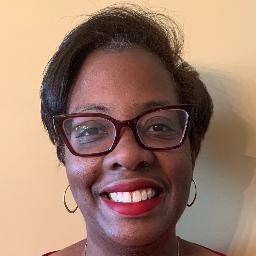
About LaMeshia
LaMeshia Lipscomb is a licensed professional counselor who blends practical therapy methods with a warm, inviting presence. She focuses on helping people facing stress, anxiety, depression, addictions, relationship and parenting concerns, and other life changes. LaMeshia aims to create a calm space where clients can speak openly and begin to move toward clearer goals.
She trained at Richmont Graduate University and completed placements in a mental health facility and a independent practice setting within a church.
Background and approach
That background shaped her approach of integrating personal values with evidence-based techniques. LaMeshia has nine years of experience working with a range of concerns including bipolar disorder, grief, low self-esteem, and coping after major changes. In sessions she emphasizes collaboration.
She listens first, helps set concrete goals, and uses straightforward tools clients can try between meetings. Her style is described as approachable and encouraging, with a focus on practical steps that reduce distress and improve daily functioning. LaMeshia uses several therapy methods such as client-centered work, cognitive behavioral tools, emotionally-focused strategies, mindfulness, and motivational interviewing.
These approaches guide how she helps people identify unhelpful patterns and practice new ways of responding to stress and relationships. She offers services in Georgia and conducts sessions in English. People who want to begin can expect a welcoming conversation about current struggles and realistic next steps toward change.
How LaMeshia’s Approaches Work Online
LaMeshia commonly uses client-centered therapy and cognitive behavioral therapy in online work. Client-centered therapy focuses on listening closely and helping clients set their own goals; it is helpful for people who need a nonjudgmental space to talk through feelings and clarify what they want. Cognitive behavioral therapy looks at patterns of thought and behavior and offers simple exercises to test new ways of thinking and acting, which can help with anxiety, depression, and stress.She also draws on emotionally-focused therapy when relationship feelings are central. That approach helps people notice and name emotions and then try different responses in interactions. Choosing the right approach is a collaborative process - the therapist will discuss options, try techniques, and adjust based on what works best for the individual's goals and preferences.
Online sessions are offered via video calls, phone sessions, live chat, or text-based messaging to make therapy more flexible. Video calls are good for face-to-face conversation and visual cues. Phone sessions work well when bandwidth or screen time is limited. Live chat and text messaging suit quick check-ins or short coaching-style exchanges. These options let people fit counseling into workdays, evenings, or other busy schedules while working with a licensed professional.
Questions people ask
What concerns does she address?
What is her therapy style like?
How much experience does she have?
What credentials and where is she based?
Which languages are supported?
What session formats are available?
How is cost handled?
How do I begin therapy with her?
What this counselor works with
Most often
- Stress, Anxiety
- Addictions
- Relationship issues
Also listed
- Bipolar disorder
- Coping with life changes
- Depression
- Family conflicts
- Grief
- Multicultural concerns
- Paranoia
- Parenting issues
- Self esteem
- Self-harm
Therapeutic approaches
- Experience
- 9 years
- Licensed
- Georgia
- Languages
- English