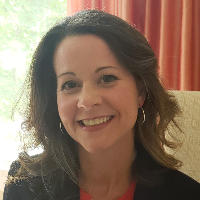
About Josalyn
Dr. Josalyn Ice is a Licensed Professional Counselor (LPC) based in West Virginia with more than two decades of experience in mental health. She helps people facing anxiety, depression, grief, trauma, relationship strain, and major life changes.
Her style is warm and engaged and she aims to create a respectful space where people feel heard. Over 22 years she has worked with many concerns, including parenting stress, compassion fatigue, and mood disorders.
Background and approach
She also focuses on issues like attachment and abandonment, caregiver stress, postpartum depression, and post-traumatic stress. That range informs how she tailors support for each person's situation. In sessions she blends client-centered work with practical tools from cognitive behavioral therapy and mindfulness.
She uses trauma-focused methods when past harm affects daily life and motivational interviewing to help people find internal reasons to change. The result is a plan shaped around what the client wants to accomplish. Her approach is conversational and collaborative.
People can expect an interactive process where goals are clarified and steps are mapped out. She emphasizes respect, empowerment, and steady progress rather than quick fixes. Dr.
Ice draws on experience from clinical roles across West Virginia to guide treatment choices. She creates a tailored plan and checks in regularly to adjust the work as needs shift. The focus is on practical coping, clearer thinking, and rebuilding a sense of direction.
How therapeutic approaches translate to online care
Client-centered therapy focuses on listening and responding to what matters most to the person. It helps people feel understood and guides choices based on their own goals. Cognitive behavioral therapy, or CBT, works on changing unhelpful thoughts and behaviors with concrete exercises and practice. It is often used for anxiety, depression, and mood problems.Choosing the right approach is a shared process. The therapist will ask about goals, history, and preferences, then suggest methods to try. Together they will adjust the plan over time if something isn’t working or priorities change.
Online sessions are offered by video calls, phone sessions, live chat, or text-based messaging to fit different routines. Video calls allow a full conversation when visual cues matter. Phone sessions work well when less bandwidth is available or a quick check-in is needed. Live chat and texting suit brief check-ins, messaging between sessions, or times when typing feels easier than speaking. These options make it simpler to schedule work around busy days and everyday life.
Questions people ask
What concerns does she help with?
What is the general therapy style?
How much clinical experience does she have?
Where is she based and what credentials does she hold?
Which languages are supported for sessions?
What session formats are offered?
How does payment and cost work?
How do I begin the process?
What this counselor works with
Most often
- Stress, Anxiety
- Relationship issues
- Trauma and abuse
Also listed
- Abandonment
- Anger management
- Attachment issues
- Caregiver issues and stress
- Compassion fatigue
- Coping with life changes
- Depression
- Divorce and separation
- Domestic violence
- Family conflicts
- Family of origin issues
- Family problems
- First responder issues
- Forgiveness
- Grief
- Guilt and shame
- Life purpose
- Money and financial issues
- Mood disorders
- Parenting issues
- Post-traumatic stress
- Postpartum depression
- Seasonal Affective Disorder (SAD)
- Self esteem
- Self-love
Therapeutic approaches
- Experience
- 22 years
- Licensed
- West Virginia
- Languages
- English