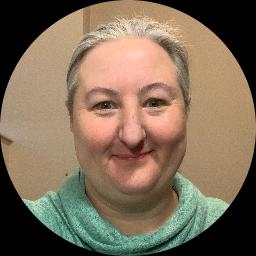
About Holly
Dr. Holly DeGrand uses a practical, person-focused approach to help people manage stress, anxiety, addictions, trauma, and life transitions. She is a Licensed Professional Counselor in Georgia and brings 16 years of clinical and teaching experience to her work.
She earned a doctorate in counselor education and supervision and a master’s degree in professional counseling. That background has included counseling in community clinics, non-profit settings, and independent practice. She has also taught master’s level courses and led professional workshops at national conferences.
Background and approach
Her main concerns include anxiety and panic, anger, substance use, and complex trauma. She also supports people facing issues related to gender identity, sexuality, HIV, and the stress that comes from major life changes. Her practice blends client-centered methods with focused trauma work and solution-oriented skills practice.
In sessions she takes a direct, practical style. Clients can expect active work on skills to reduce symptoms, decision-making support, and step-by-step plans for change. She typically responds to messages within 12 hours and asks people to engage in regular live sessions for the best progress.
Dr. DeGrand offers a mix of video calls, phone sessions, live chat, and limited text-based work. She welcomes people in Georgia and international clients who prefer online care, and she works with individuals who identify as LGBTQ+ and people living with HIV.
Approaches that translate to online work
Client-Centered Therapy focuses on listening and building a trusting conversation. Online sessions using this approach prioritize the person’s goals and encourage self-directed problem solving, which can help with stress, self-esteem, and decision-making.EMDR, or Eye Movement Desensitization and Reprocessing, is used to process traumatic memories by pairing guided attention with recollection. In an online format it is adapted so clients can work through trauma-related symptoms with structured guidance and stepwise processing.
Finding the right approach is part of therapy. The therapist will work collaboratively to pick methods that fit the client’s needs, goals, and comfort level. That choice can shift over time as progress is made or new priorities emerge.
Online therapy offers flexibility and practical benefits. Video calls allow face-to-face interaction for skills practice and EMDR-style work. Phone sessions can be a good option when bandwidth is limited or a quieter check-in is needed. Live chat and text messaging make it easier to share short updates, ask quick questions, or maintain contact between longer sessions. These formats help people fit therapy into busy schedules and access licensed professionals from different locations.
Questions people ask
What concerns does she commonly address?
What is her therapeutic style like?
How much clinical experience does she have?
What credentials and region are associated with this therapist?
Which languages are available for sessions?
What session formats does she use?
How is cost handled for sessions?
How do I begin working with her?
What this counselor works with
Also listed
- Anger management
- Bipolar disorder
- Coaching
- Compassion fatigue
- Coping with life changes
- Drug and alcohol addiction
- Gender dysphoria
- HIV / AIDS
- LGBT
- Men's issues
- Mood disorders
- Panic disorder and panic attacks
- Post-traumatic stress
- Self esteem
- Sexuality
- Women's issues
Therapeutic approaches
- Experience
- 16 years
- Licensed
- Georgia
- Languages
- English