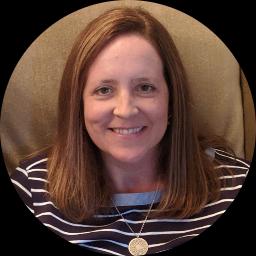
About Erika
Erika Hayes is a Licensed Professional Clinical Counselor (LPCC) practicing in Ohio. She focuses on grief, stress, anxiety, relationship strain, and helping people cope with major life changes. Erika aims to provide steady support while clients find clearer ways to handle difficult emotions and decisions.
She emphasizes communication and boundary skills in sessions. That often means practicing ways to speak up, set limits, and manage tense conversations. Erika also addresses family-of-origin patterns to help people understand how old dynamics still affect them today.
Background and approach
End-of-life and hospice counseling are part of her work. She helps people and their loved ones process anticipatory grief, loss, and practical emotional concerns that arise near the end of life. These conversations are handled with calm and respect for each person’s pace.
Erika uses evidence-based therapeutic techniques and adapts them to each person’s situation. Therapy is collaborative - she partners with people to set goals and check progress. Sessions include concrete skills and real-world strategies for coping between meetings.
With six years of clinical experience, Erika brings steady clinical judgment to common life stressors. She focuses on clear, usable tools rather than jargon. People come away with improved ways to handle relationships, grief, and the stresses of change.
How evidence-based techniques translate to online care
Erika uses evidence-based therapeutic techniques that are goal-oriented and practical. One common approach focuses on building communication and boundary skills through role-play and step-by-step practice. This helps people handle difficult conversations and reduce ongoing conflict.Another approach addresses grief and end-of-life concerns by creating space to process loss, name difficult feelings, and plan for practical needs. Sessions can include guided reflection and coping tools to use between meetings.
Finding the right approach is part of the work. Erika will collaborate with each person to identify goals and try methods that match those goals and preferences. Together they check what helps and adjust the plan over time to make progress that feels meaningful.
Online formats can make therapy easier to fit into a busy life. Video calls let participants use visual cues and shared exercises. Phone sessions need less bandwidth and can work well for a shorter check-in. Live chat and text-based messaging support quick reflections or ongoing processing between sessions. These options offer flexibility for different schedules and comfort levels while keeping the focus on practical, usable tools.
Questions people ask
What concerns does this therapist address?
How would you describe the therapy style?
What experience does the therapist have?
What are the therapist's credentials and location?
Which languages are supported?
Can international clients work with this therapist?
What session formats are available?
How much does therapy cost and how do subscriptions work?
What this counselor works with
Most often
Also listed
- Communication problems
- Coping with life changes
- Family conflicts
- Family of origin issues
- Family problems
- Hospice and end-of-life counseling
- Relationship issues
- Stress, Anxiety
- Young adult issues
- Experience
- 6 years
- Licensed
- Ohio
- Languages
- English