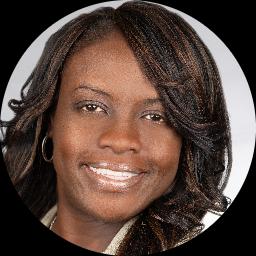
About Elizabeth
Elizabeth Anderson is a licensed professional counselor in Texas with ten years of experience. She helps people who are feeling stressed, anxious, depressed, grieving, or struggling after trauma and abuse. She also supports those facing relationship strain and people working through life purpose, forgiveness, communication problems, pregnancy and childbirth concerns, and women's issues.
She works in a direct, respectful way and treats clients as the experts on their own lives.
Background and approach
Sessions focus on practical steps and clear conversation. She listens first, then helps people set small, realistic goals they can try between meetings. Elizabeth uses approaches that fit each person's needs rather than one fixed method.
She often draws on Client-Centered Therapy to build understanding and trust. She can add Cognitive Behavioral Therapy techniques for clearer thinking and behavior changes when anxiety or depression get in the way. For relationships and close connections she brings in Emotionally-Focused Therapy ideas to help people share feelings more safely and repair connection.
Her style aims to be warm and straightforward so people can talk about hard things without extra jargon. Her practice is geared toward making the first steps easier. Elizabeth invites people to begin with a short matching questionnaire and then schedule a format that works for them.
She acknowledges that starting therapy takes courage and focuses on steady, manageable progress.
How these approaches work online
Client-Centered Therapy focuses on listening and understanding. The therapist follows the person's lead and helps them name concerns and strengths, which can be especially useful for anxiety, grief, and questions about life purpose.Cognitive Behavioral Therapy, or CBT, looks at how thoughts and behaviors link to mood. Online sessions can teach simple strategies to reduce worry, manage panic, or shift low mood through clear exercises and homework.
Emotionally-Focused Therapy helps people notice and share emotions in ways that improve connection. When relationship strain or repeated patterns cause pain, EFT techniques can guide safer conversations and more honest expression.
Finding the right mix of methods is part of therapy. The therapist works collaboratively to pick approaches that match each person's goals and preferences. Plans are adjusted as needs change so the work stays focused and practical.
Online therapy offers several practical benefits. Video calls let people use visual cues and full conversation. Phone sessions can work better when bandwidth is low or a camera is not wanted. Live chat and text-based messaging suit quick check-ins, short coaching, or people who prefer writing. These options make it easier to fit sessions into busy days and different routines.
Questions people ask
What concerns does Elizabeth focus on?
How would you describe her therapeutic style?
What background does she bring to sessions?
What credentials and location are listed?
In which languages are sessions offered?
What formats are available for sessions?
How are sessions paid for and what does cost look like?
How do I start working with her?
What this counselor works with
Most often
- Stress, Anxiety
- Relationship issues
- Trauma and abuse
Also listed
Therapeutic approaches
- Experience
- 10 years
- Licensed
- Texas
- Languages
- English