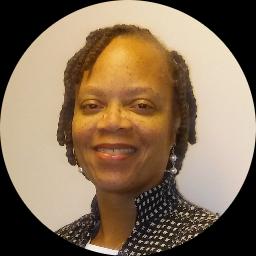
About Doris
Doris Rhodes is a licensed counselor with eight years of clinical experience. She helps people who are feeling stressed, anxious, depressed, grieving, or coping with trauma and major life changes. Her approach is respectful and down-to-earth, and she aims to make the first steps toward change feel manageable.
She uses a mix of approaches chosen to fit each person’s needs. Conversations are tailored to practical goals, and she helps people spot patterns that keep them stuck.
Background and approach
Sessions include ways to manage symptoms now and strategies to handle future setbacks. Doris draws on Cognitive Behavioral Therapy to help people change unhelpful thinking and behavior. She also uses Client-Centered Therapy to create space for people to lead the conversation and set priorities.
When trauma is a central concern, Eye Movement Desensitization and Reprocessing can be part of the plan. She also offers solution-focused work and hypnotherapy tools when those match a person’s goals. The focus is on clear, achievable steps rather than long explanations.
Progress is reviewed and plans are adjusted as needed. Doris is licensed in Ohio and Georgia as an LPCC and an LPC. She approaches each person with sensitivity and compassion, and she aims to support people in building a more fulfilling and stable life.
Approaches that translate to online care
Client-Centered Therapy focuses on following the person’s lead and building a trusting conversation. Online sessions let people set the pace and pick which problems to work on first. Cognitive Behavioral Therapy (CBT) teaches practical skills to change unhelpful thoughts and behaviors, like tracking thought patterns and practicing brief behavioral experiments between sessions. That homework-style work adapts well to video or messaging formats. Eye Movement Desensitization and Reprocessing (EMDR) addresses traumatic memories through structured processing and can be offered remotely with clear session structure and pacing.Choosing the right approach is part of the process. Doris will talk through goals and preferences and then recommend methods that fit the person’s needs. That collaborative planning can include trying a few techniques and adjusting based on what helps most.
Online therapy with video calls, phone sessions, live chat, or text-based messaging offers flexibility for busy schedules. Video is useful for in-depth sessions and skill coaching, phone can work when bandwidth is limited, and messaging or live chat suits quick check-ins or shorter exercises. These options make it easier to keep regular sessions and to use therapeutic tools between visits.
Questions people ask
What concerns can be addressed in sessions?
What is the general style of therapy?
How much experience does the therapist have?
What credentials and location are listed?
Are sessions offered in other languages or internationally?
Which session formats are available?
How is cost handled?
What are the steps to begin therapy?
What this counselor works with
Most often
Also listed
Therapeutic approaches
- Experience
- 8 years
- Licensed
- Ohio, Georgia
- Languages
- English