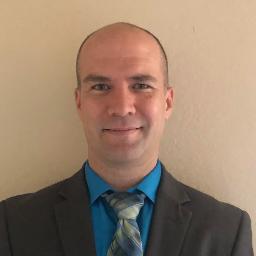
About Donald
Donald McMurray is a licensed professional counselor (LPC) with 11 years of experience. He practices from Texas and focuses on addiction, relationship trouble, low self-esteem, depression, and life transitions. He aims to create a calm, nonjudgmental space where people can speak honestly about difficult feelings.
He listens first and helps clients name the problems that matter most. Sessions tend to be practical and straightforward, with an emphasis on small steps that build confidence.
Background and approach
He balances warmth with clear direction so people leave with things they can try between meetings. Common topics he addresses include communication problems, commitment worries, jealousy, impulsivity, and money-related stress. He also supports people working through obsessive-compulsive patterns, process addictions such as gambling or problematic exercise, and sex or porn addiction.
Mood disorders and forgiveness work are part of his practice as well. Donald uses approaches that center the client and also draws on cognitive behavioral techniques. That means he pays attention to each person’s perspective while helping them spot unhelpful thinking and test new behaviors.
Sessions are tailored to the individual rather than following a one-size-fits-all plan. People who prefer clear guidance, practical exercises, and a steady supportive presence often find this style helpful. He offers sessions in English and accepts clients internationally, using formats that fit modern life like video calls, phone, live chat, or text-based messaging.
How his approaches work online and in sessions
Donald uses client-centered therapy to create an accepting, listening-focused space where people can say what matters to them. This approach helps when someone needs to feel heard, gain clarity about values, and build motivation for change.He also uses cognitive behavioral therapy, which looks at thoughts, feelings, and actions together. CBT helps people spot unhelpful thinking patterns, test different behaviors, and develop practical coping skills for depression, anxiety, or addiction-related urges.
Choosing an approach is collaborative. He will talk with each person about goals and preferences, then suggest techniques that fit those needs. That way the work in sessions reflects the person's priorities rather than a preset plan.
Online therapy offers practical benefits for this style of work. Video calls let visual cues guide conversational therapy and role-play. Phone sessions can be a good shorter check-in when bandwidth or camera use is an issue. Live chat and text-based messaging allow quick reflections, jotting down goals, or ongoing check-ins between meetings. These options make it easier to keep therapy consistent even with a busy schedule, travel, or changing routines.
Questions people ask
What concerns does he commonly address?
What is his therapeutic style like?
How much experience does he have?
What credentials and location are listed?
Which languages are supported for sessions?
What session formats are available?
How does pricing work?
How do I begin working with him?
What this counselor works with
Most often
- Addictions
- Relationship issues
- Self esteem
Also listed
- Commitment issues
- Communication problems
- Coping with life changes
- Depression
- Drug and alcohol addiction
- Family problems
- Forgiveness
- Impulsivity
- Jealousy
- Life purpose
- Men's issues
- Money and financial issues
- Mood disorders
- Obsessions, compulsions, and OCD
- Process addiction (porn, exercise, gambling)
- Self-love
- Sex addiction
- Smoking / vaping cessation
- Workplace issues
Therapeutic approaches
- Experience
- 11 years
- Licensed
- Texas, Missouri, Arizona
- Languages
- English