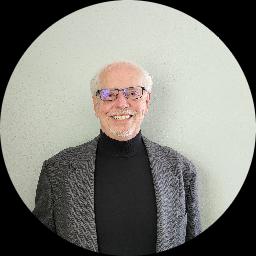
About David
David Johnson is a licensed professional counselor with three decades of practice. He works with people facing stress, anxiety, trauma and abuse, depression, and major life changes. He focuses on practical steps and steady support while people navigate hard moments.
He emphasizes respect, sensitivity, and compassion in sessions. Conversations are shaped around each person's needs, not a rigid formula. That means the plan can change as progress is made or new issues arise.
Background and approach
David draws on approaches that help people solve immediate problems and change long-standing patterns. He uses clear, goal-oriented methods alongside open-ended, listening-based work. The mix aims to balance concrete skills with deeper emotional processing.
He also helps with relationship concerns, grief, addiction, parenting strain, career questions, and issues like self-esteem and intimacy. Additional focus areas include coping after disasters, first responder stress, fatherhood challenges, and struggles with guilt or shame. Sessions typically explore what matters most now and what small steps could lead to better days.
The work can include short-term coaching-style meetings or more extended therapy over time. David supports people as they decide what pace and focus suit them best.
Approaches that translate to online care
Client-Centered Therapy focuses on listening, validation, and following the client's lead to build understanding and confidence. This approach helps when people need a space to be heard and to make sense of painful experiences.Cognitive Behavioral Therapy (CBT) teaches practical skills to change unhelpful thoughts and behaviors. It is useful for anxiety, depression, sleep and eating struggles, and managing stress with concrete exercises and homework.
Motivational Interviewing supports people who want to make changes but feel stuck. It uses open questions and reflective listening to strengthen motivation, which is helpful for addictions, career shifts, or lifestyle changes.
Choosing the right approach is a collaborative process. The therapist will listen to goals, try methods that fit those aims, and adjust the plan together as progress is made or needs shift.
Online formats include video calls, phone sessions, live chat, and text-based messaging to fit different rhythms and needs. Video is useful for face-to-face conversation and skill coaching, phone calls work well when bandwidth is limited, live chat is helpful for quick check-ins, and messaging supports ongoing reflection between sessions. These options make scheduling easier and help people keep therapy consistent around work, family, and travel.
Questions people ask
What issues does this counselor address?
How would you describe his therapy style?
How much clinical experience does he have?
What are his credentials and where is he based?
Can sessions be held in languages other than English?
Which session formats are available online?
How are costs and billing handled?
What steps start the process of working together?
What this counselor works with
Also listed
- Abandonment
- Addictions
- Antisocial personality
- Career difficulties
- Coaching
- Coping with life changes
- Coping with natural or human-caused disaster
- Dissociation
- Divorce and separation
- Drug and alcohol addiction
- Eating disorders
- Family conflicts
- Family of origin issues
- Fatherhood issues
- First responder issues
- Forgiveness
- Grief
- Guilt and shame
- Infidelity
- Intimacy-related issues
- Life purpose
- Men's issues
- Mood disorders
- Obsessions, compulsions, and OCD
- Panic disorder and panic attacks
- Parenting issues
- Personality disorders
- Post-traumatic stress
- Process addiction (porn, exercise, gambling)
- Relationship issues
- Self esteem
- Sleeping disorders
- Social anxiety and phobia
Therapeutic approaches
- Experience
- 30 years
- Licensed
- South Dakota
- Languages
- English