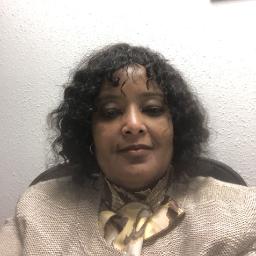
About Darlene
Darlene Scott is a Licensed Professional Counselor with 29 years of experience who focuses on helping people manage stress, anxiety, low self-esteem, and depression. She writes and talks in a clear, direct way so clients know what to expect. Her style is respectful and compassionate while staying practical.
She supports people facing big life changes and those carrying caregiver stress. She also addresses issues like guilt, shame, forgiveness, and finding life purpose.
Background and approach
Sessions aim to rebuild confidence and increase day-to-day functioning. Her approach centers on tailoring conversations and plans to each person's needs. She works with clients to set realistic goals and create steps that fit their life.
Progress is discussed regularly so plans can change when needed. Darlene emphasizes simple, actionable strategies alongside deeper reflection. She helps clients identify unhelpful thinking and develop healthier ways of responding.
Small changes in daily routines and thoughts are used to build lasting shifts. People who reach out can expect a calm, direct companion for their journey. Darlene believes asking for help takes courage and offers steady support through change.
Sessions are practical, grounded, and aimed at restoring a sense of control and self-worth.
How evidence-based methods translate to online care
Two common evidence-based approaches she uses include goal-focused problem solving and skill-based behavior work. Goal-focused problem solving helps break large issues into specific steps you can try between sessions and is useful for stress and life changes. Skill-based behavior work targets daily routines and responses, teaching small practical changes that help with anxiety and low mood.Finding the right mix of techniques is a collaborative process. The therapist will work together with each person to choose methods that match their goals, pace, and preferences. Plans are adjusted over time based on what helps most for that individual.
Online sessions are available by video call, phone, live chat, or text-based messaging to fit varied schedules. Video works well for deeper conversations, phone calls are good when bandwidth or camera use is difficult, live chat allows quicker check-ins, and messaging supports shorter updates or ongoing reflection. These options make it easier to keep therapy consistent while juggling work, caregiving, and other responsibilities.
Questions people ask
What concerns does she commonly address?
What is her therapeutic style like?
How long has she practiced counseling?
What credentials and location are listed?
Which languages and client regions are supported?
What session formats are available?
How is cost handled for sessions?
How do I begin working with her?
What this counselor works with
Most often
Also listed
- Experience
- 29 years
- Licensed
- Georgia
- Languages
- English