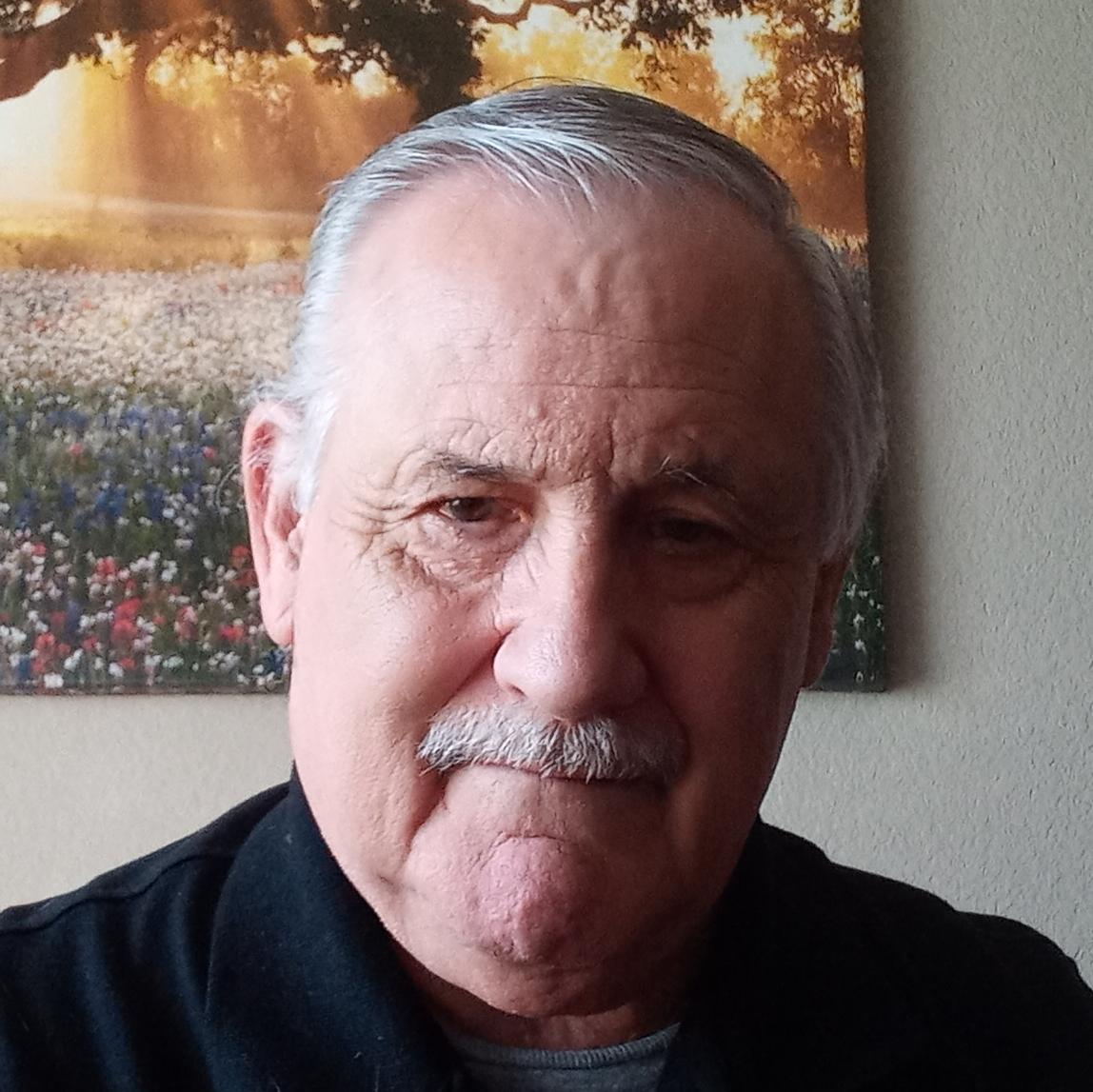
About Craig
Craig Kalman is a licensed professional counselor who brings decades of experience to everyday problems. He aims to make reaching out easy and straightforward. He listens without judgment and helps people sort out stress, anxiety, grief, relationship issues, and mood concerns in clear, workable steps.
He practiced for many years at the National Institutes of Health and later worked with the Department of Defense and U.S. military. That work included crisis response and supporting people affected by traumatic events and repeated deployments.
Background and approach
Those roles shaped his focus on stress, trauma, and restoring day-to-day functioning. His style is relaxed and accepting. Sessions are meant to be a place to talk through what’s happening now, identify priorities, and try small changes that add up.
He uses techniques from cognitive behavioral therapy to spot patterns that keep problems going, and motivational interviewing to set practical goals. Craig also draws on client-centered and solution-focused methods to keep conversations grounded in what the person wants to achieve. He works with concerns such as sleep and eating problems, addictions, intimacy-related issues, and career stress.
First responder and veteran issues are among his additional focus areas. With 35 years of practice and degrees including MD and LCPC plus a Texas LPC, he brings long experience to each session. He offers phone, video, live chat, and text-based messaging so people can pick what fits their life and schedule.
How these approaches translate to online work
Client-centered work focuses on listening and following the person's lead. The therapist stays attentive to what matters most and helps people decide what to work on next, which often helps with stress, relationships, and grief.Cognitive behavioral therapy looks at thoughts and routines that keep problems going. Online sessions can use simple exercises and homework to test small changes in thinking and behavior, which is useful for anxiety, depression, panic, and sleep issues.
Motivational interviewing helps people find their own reasons to change. It’s practical for addictions, lifestyle shifts, or getting unstuck after big life changes. The therapist uses questions and reflection to build motivation and set realistic next steps.
Choosing the right approach is a shared process. The therapist will discuss goals, try approaches that fit, and adjust plans as needed. That keeps work focused and responsive to individual needs.
Online therapy options include video calls, phone sessions, live chat, and text-based messaging. Video is close to an in-person conversation, phone can be quicker with lower bandwidth, live chat fits short check-ins, and messaging lets people write between sessions. These formats make it easier to fit therapy into busy lives and to keep momentum between appointments.
Questions people ask
What kinds of problems does he help with?
What is his overall approach in sessions?
How much experience does this therapist have?
What credentials and location apply to this clinician?
Are sessions offered in other languages or internationally?
Which session formats are available?
How much do sessions cost?
How do I begin working with him?
What this counselor works with
Most often
- Stress, Anxiety
- Relationship issues
- Grief
Also listed
- Addictions
- Anger management
- Bipolar disorder
- Career difficulties
- Communication problems
- Coping with life changes
- Coping with natural or human-caused disaster
- Depression
- Eating disorders
- Family conflicts
- First responder issues
- Intimacy-related issues
- LGBT
- Panic disorder and panic attacks
- Parenting issues
- Post-traumatic stress
- Seasonal Affective Disorder (SAD)
- Self esteem
- Sleeping disorders
- Trauma and abuse
- Veteran and Armed Forces Issues
Therapeutic approaches
- Experience
- 35 years
- Licensed
- Maryland, Texas
- Languages
- English