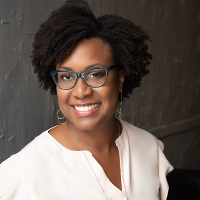
About Corliss
Corliss Ivy is a Licensed Clinical Professional Counselor (LCPC) with 18 years of experience helping people navigate hard moments. She focuses on practical steps that reduce distress and help people move toward clearer goals. Her work centers on building steady collaboration with each person she meets.
She holds a bachelor's degree in psychology from the University of Illinois at Chicago and a master's degree in Counseling and Human Services from Roosevelt University.
Background and approach
She completed post-graduate work in an advanced psychodynamic fellowship at the University of Chicago, Social Service Administration. These experiences inform how she thinks about long-standing patterns and how change happens. In sessions she blends client-centered listening with cognitive behavioral tools and mindfulness practices.
That means she pays attention to what matters to the person in front of her, helps identify unhelpful thoughts and behaviors, and teaches simple mindfulness skills to reduce overwhelm. She also draws on psychodynamic ideas to look at deeper emotional patterns when that feels useful.
People come to her for stress, anxiety, depression, grief, trauma and abuse, relationship and intimacy-related issues, and help with life transitions like divorce or midlife shifts. She also supports those coping with compassion fatigue, anger, low self-esteem, guilt, and questions about life purpose. Her approach is steady and respectful.
She works with each person to set clear goals and practical steps. She invites questions and collaborative planning so people know what to expect when they start.
Therapeutic approaches you can use online
Client-Centered Therapy focuses on listening and understanding the person as they are. It helps when someone needs a calm, nonjudgmental space to talk through feelings and decide next steps. Cognitive Behavioral Therapy, or CBT, looks at the link between thoughts, feelings, and actions and teaches practical skills to change unhelpful patterns. CBT is useful for anxiety, depression, and stress-related difficulties.Finding the right approach is part of the work. The therapist will collaborate with each person to choose methods that fit their goals and preferences. That might mean starting with supportive listening, adding CBT tools, and practicing mindfulness skills over time based on what helps most.
Online therapy offers several practical benefits. Video calls let people have longer face-to-face conversations. Phone sessions can work when bandwidth is limited or when being on camera is not preferred. Live chat and text-based messaging are useful for short check-ins, coping tools between sessions, or when writing feels easier than speaking. These options give flexibility to fit therapy into a busy life and to keep momentum between meetings.
Questions people ask
What kinds of concerns does Corliss address?
How would you describe her therapy style?
What is her professional background?
Where is she based and what credential does she hold?
Can I work with her if I live outside the United States?
What session formats are available online?
How are fees and payment handled?
How do I begin working with her?
What this counselor works with
Most often
- Stress, Anxiety
- Relationship issues
- Trauma and abuse
Also listed
Therapeutic approaches
- Experience
- 18 years
- Licensed
- Illinois
- Languages
- English