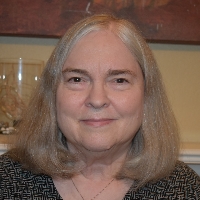
About Claudia
Claudia Burns is a Licensed Professional Counselor who blends practical tools with empathic listening. She draws on two decades of clinical work to help people manage anxiety, depression, trauma, stress, and life transitions. She returned to school for a master’s degree in psychology while raising three sons and working full time.
Early clinical placements included a county hospital psychiatric ward and disaster response work after Hurricane Katrina. Those experiences shaped her ability to stay calm in crisis and connect with people under intense stress.
Background and approach
Claudia spent 15 years conducting neuropsychological testing, spending many hours with clients to understand their thinking, mood, and emotional reactions. That background informs how she notices patterns tied to traumatic injury, chronic illness, or major life change. She has also supported people navigating disability evaluations and returns to work.
Her approach centers on building a strong working relationship and using straightforward methods. She combines cognitive behavioral techniques and psychodynamic ideas with skills from mindfulness and attachment work. Sessions focus on understanding what’s happening now and learning practical strategies to cope.
Claudia values humor and real conversation in sessions. She offers emotional support, education, and tools clients can use between meetings. She invites people to talk through what they are facing and to collaborate on goals for lasting change.
Approach and online options for therapy
Claudia often uses cognitive behavioral therapy to help people notice unhelpful thoughts and change behaviors that keep problems going. CBT is useful for anxiety, depression, panic, and many everyday coping challenges. She also uses psychodynamic ideas to look at how past relationships and life events shape current feelings and reactions, which can help with long-standing patterns and understanding emotional triggers.Finding the right approach is collaborative. The therapist will talk with the client about goals, preferences, and what feels most helpful. Together they adjust methods over time so sessions match the person's needs and progress.
Online therapy is offered through video calls, phone sessions, live chat, and text-based messaging to provide flexibility. Video sessions allow face-to-face conversation, phone sessions can be easier when bandwidth is limited, chat is useful for shorter check-ins, and messaging supports ongoing tracking between meetings. These options make it simpler to fit therapy into a busy life and to keep momentum between sessions.
Questions people ask
What concerns does this therapist help with?
What is the therapeutic style like?
What kind of experience does she bring?
What credentials and location apply?
Which languages are supported for sessions?
What session formats are available?
How are costs handled?
How do I begin working with this therapist?
What this counselor works with
Also listed
- Addictions
- ADHD
- Aging and geriatric issues
- Anger management
- Antisocial personality
- Attachment issues
- Bipolar disorder
- Career difficulties
- Chronic pain, illness, and disability
- Communication problems
- Coping with life changes
- Coping with natural or human-caused disaster
- Depression
- Domestic violence
- Eating disorders
- Family conflicts
- Family problems
- Grief
- Mood disorders
- Obsessions, compulsions, and OCD
- Panic disorder and panic attacks
- Parenting issues
- Phobias
- Post-traumatic stress
- Relationship issues
- Sleeping disorders
- Social anxiety and phobia
- Traumatic brain injury
- Young adult issues
Therapeutic approaches
- Experience
- 20 years
- Licensed
- Texas
- Languages
- English