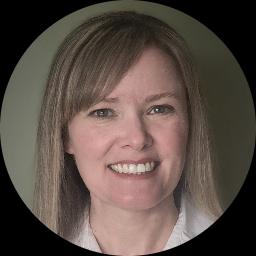
About Christine
Christine Zurblis is a Licensed Professional Counselor (LPC) practicing in Georgia with two decades of experience. She focuses on helping people who feel overwhelmed by stress, anxiety, depression, grief, anger, or struggles with addiction. Her approach is down-to-earth and practical, aimed at making daily life feel more manageable.
She draws from client-centered work and cognitive behavioral therapy to build sessions around each person's needs. That means conversations start with listening, then move to skills and tools that change unhelpful thoughts and behaviors.
Background and approach
Sessions are collaborative and paced to match how quickly someone wants to move. Christine often helps people dealing with caregiver strain, communication breakdowns, control issues, loneliness, panic attacks, and workplace stress. She also supports those coping with post-traumatic stress and social anxiety by teaching coping strategies and step-by-step practice.
Expect clear ideas you can try between sessions. Her style aims to be validating while offering structure. She helps identify small, specific changes that add up over time.
Progress is tracked through what feels different in daily routines and relationships. Clients meet by video, phone, live chat, or text-based messaging. Getting started involves a short matching questionnaire and scheduling a time that fits the client's needs.
How client-centered care and CBT work online
Client-Centered Therapy focuses on listening and creating a supportive space where the client’s experience guides the work. It helps when someone needs to be heard and to make sense of difficult feelings before trying new steps. Cognitive Behavioral Therapy, or CBT, looks at how thoughts, feelings, and actions connect and teaches practical exercises to reduce anxiety, panic attacks, and low mood. CBT is useful for targeting specific symptoms with step-by-step practices.Choosing the right mix of approaches is part of the process. The therapist collaborates with the client to decide which techniques fit their goals and preferences. That means trying different tools, checking what helps, and adjusting the plan together so it feels effective and manageable.
Online therapy offers flexibility that suits busy lives. Video calls allow face-to-face conversation across distances. Phone sessions are handy when bandwidth is limited or when a shorter check-in is needed. Live chat or text-based messaging can be used for quick updates, brief exercises, or when typing feels easier than speaking. These options make regular work on goals easier to fit into a schedule and allow consistent continuity with a licensed professional.
Questions people ask
What concerns does she address?
What is her therapeutic style?
How much experience does she have?
What credentials and location are listed?
Which languages are supported?
What session formats are available?
How are fees handled?
How do I begin therapy?
What this counselor works with
Most often
Also listed
Therapeutic approaches
- Experience
- 20 years
- Licensed
- Georgia
- Languages
- English