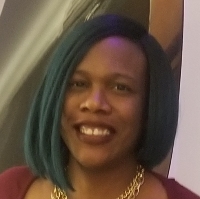
About Chinyere
Chinyere Tunsill helps people who are feeling overwhelmed, stuck, or burned out find practical ways forward. She focuses on building a trusting relationship first so clients feel heard and comfortable talking about hard things. Chinyere practices with kindness and clear feedback to help people try new skills and see what works for them.
She uses straightforward strategies from Cognitive Behavioral Therapy to change unhelpful thinking and behavior. Dialectical Behavior Therapy skills are used when strong emotions or impulsive reactions get in the way of daily life.
Background and approach
Motivational Interviewing helps people clarify what they want to change and find their own motivation to do it. Chinyere holds LCPC and LMHC credentials and brings 11 years of experience in counseling. She has worked with concerns such as anxiety, depression, trauma and abuse, grief, addictions, anger, bipolar mood issues, ADHD, and low self-esteem.
Additional focus areas include body image, communication problems, domestic violence, and self-harm. Sessions include psychoeducation, skill practice, and collaborative problem solving. She also encourages attention to sleep, exercise, and nutrition as part of overall progress.
The approach is practical and goal-oriented, with room to adjust when life changes make new priorities emerge. Chinyere is based in Florida and conducts sessions in English. She accepts international clients and aims to make therapy accessible through different formats.
People who want clear structure and compassionate guidance may find her approach a good match.
Online approaches that fit daily life
Chinyere commonly uses Cognitive Behavioral Therapy, which helps people notice and change unhelpful thoughts and behaviors with concrete exercises and homework. CBT is often useful for anxiety, depression, and managing stress because it focuses on practical steps that can change how someone feels.She also uses Dialectical Behavior Therapy skills to teach emotion regulation, distress tolerance, and better ways to communicate under pressure. DBT skills can help when strong feelings or impulsive actions make it hard to get through the day, offering tools to calm down and make different choices.
Deciding which methods to use is a shared process. The therapist will talk with each person about their goals, symptoms, and preferences, then recommend strategies to try. Sessions adjust over time based on what helps and what doesn’t, so the plan can change as progress is made.
Online sessions are offered by video calls, phone sessions, live chat, or text-based messaging to fit different schedules and needs. Video calls let people work face-to-face from a distance. Phone sessions are helpful when bandwidth is limited or a camera isn’t convenient. Chat and messaging can support shorter check-ins, ongoing coaching, or times when typing feels easier than speaking. These options make it simpler to fit therapy into busy lives and keep momentum between meetings.
Questions people ask
What kinds of problems does she help with?
How would you describe her therapy style?
What is her professional background?
Which credentials and region are listed for this therapist?
Are sessions available in other languages or countries?
What session formats are offered?
How are costs handled for therapy?
How do I begin working with her?
What this counselor works with
Most often
Also listed
- Abandonment
- Addictions
- ADHD
- Anger management
- Bipolar disorder
- Body image
- Communication problems
- Coping with life changes
- Depression
- Domestic violence
- Drug and alcohol addiction
- Guilt and shame
- Impulsivity
- Mood disorders
- Parenting issues
- Post-traumatic stress
- Self esteem
- Self-harm
- Self-love
Therapeutic approaches
- Experience
- 11 years
- Licensed
- Florida, Utah, New Jersey, Massachusetts, Nevada
- Languages
- English