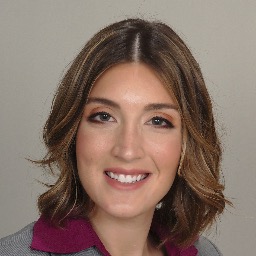
About Catherine
Catherine Sechrist is a Licensed Professional Counselor who helps people manage stress, anxiety, grief, and big life changes. She draws on nearly nine years of clinical experience and focuses on practical steps people can use right away. Her approach centers on strengths and collaboration so clients feel heard and able to act on what matters to them.
She blends methods to match each person’s needs rather than using a single technique for everyone.
Background and approach
Sessions emphasize clear goals, small experiments, and skills that can be practiced between meetings. This helps with common problems like low self-esteem, panic and phobias, sleep and eating concerns, and workplace stress. Sechrist also offers support around specialized stressors such as first responder issues, compassion fatigue, coping after disasters, and grief related to hospice or end-of-life situations.
She addresses obsessive or compulsive behaviors, social anxiety, and difficulties tied to money or career decisions. Her work includes attention to body image, forgiveness, and challenges connected to HIV/AIDS. Therapy sessions use a mix of Acceptance and Commitment Therapy, Cognitive Behavioral Therapy, Dialectical Behavior Therapy, Client-Centered methods, and Solution-Focused techniques to build practical coping tools.
Catherine aims to make each plan realistic and tied to daily life. She practices in Pennsylvania and holds LPC and Licensed Professional Mental Health Counselor credentials. Language of service is English.
Sessions are offered via video calls, phone, live chat, or text-based messaging. Her style is straightforward and collaborative, with an emphasis on steady progress over time.
Therapeutic approaches applied to online care
Acceptance and Commitment Therapy helps people clarify their values and take small steps toward a meaningful life even when uncomfortable thoughts or feelings show up. It is useful for anxiety, stress, and issues tied to life changes. Cognitive Behavioral Therapy focuses on the link between thoughts, feelings, and actions and teaches practical techniques to reduce panic, phobias, and depressive patterns. It often involves short experiments and homework to test new ways of responding.Finding the right approach is part of the work together. The therapist will talk with the client about goals and preferences, then suggest one or a mix of methods. Decisions about techniques are made collaboratively and can change as progress is tracked.
Online formats offer practical flexibility. Video calls let people use visual cues and run through skills in real time. Phone sessions can work when connection speed or bandwidth is limited. Live chat and text-based messaging provide brief check-ins, quick coaching, and written summaries people can reread between sessions. These options make it easier to fit therapy into a busy schedule and keep momentum between meetings.
Questions people ask
What kinds of problems does she help with?
What is her therapeutic style like?
How long has she been practicing?
Where is she licensed and based?
Which languages are offered for sessions?
Can people outside the United States work with her?
What formats are available for sessions?
How are costs and getting started handled?
What this counselor works with
Also listed
- Body image
- Career difficulties
- Coaching
- Compassion fatigue
- Coping with natural or human-caused disaster
- Depression
- Eating disorders
- First responder issues
- Forgiveness
- Grief
- HIV / AIDS
- Hospice and end-of-life counseling
- Money and financial issues
- Obsessions, compulsions, and OCD
- Panic disorder and panic attacks
- Parenting issues
- Phobias
- Sleeping disorders
- Social anxiety and phobia
- Trauma and abuse
- Workplace issues
Therapeutic approaches
- Experience
- 9 years
- Licensed
- Pennsylvania, Delaware
- Languages
- English