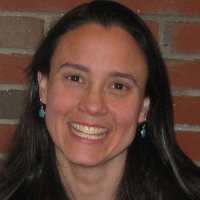
About Catherine
Catherine Duthie brings 18 years of counseling experience to her work. She holds an ME LCPC and a Master of Arts in Counseling Psychology with a concentration in Substance Abuse/Addictions. Catherine has worked in community mental health, medical center, and hospital settings.
She focuses on helping people who want to change difficult behaviors and cope with stressful life events. Her style is straightforward and collaborative. She uses clear, practical tools and talks through steps clients can try between sessions.
Background and approach
Catherine emphasizes motivation and real-world skills rather than lengthy theory. Sessions are aimed at steady progress, with small, achievable goals. Catherine often integrates motivational interviewing and cognitive behavioral techniques when addressing addiction, anxiety, or depression.
She also uses trauma-focused approaches when past hurt affects current functioning. This mix supports people dealing with grief, anger, parenting strain, workplace stress, and changes in life circumstances. She pays attention to multicultural concerns and the impacts of prejudice and discrimination.
That means understanding how identity and context shape stress, coping, and access to care. Catherine also helps people facing compassion fatigue and career-related strain by translating insight into action. Outside work she enjoys running, kayaking, swimming, and reading, and values time with her daughter.
Catherine aims to meet each person where they are, listen to their story, and help them move toward practical change.
Approaches for Online Care and Practical Steps
Catherine commonly uses Client-Centered Therapy and Cognitive Behavioral Therapy in online sessions. Client-Centered Therapy focuses on listening and responding to each person's concerns so they can find their own solutions and build confidence. Cognitive Behavioral Therapy looks at thoughts and behaviors together and teaches concrete skills to reduce anxiety, manage cravings, and change unhelpful patterns.Choosing the right method is part of the work. Catherine will talk with each person about their goals, preferences, and what feels manageable. Together they decide which approaches to try and adjust the plan as progress is made so the work stays relevant and doable.
Online formats include video calls, phone sessions, live chat, and text-based messaging. Video sessions let people work face-to-face from different places. Phone sessions use less bandwidth and can fit a break at work. Live chat and messaging are useful for brief check-ins, coaching-style support, or when writing out thoughts helps more than talking. These options make it easier to fit regular sessions into a busy life while keeping therapy focused on practical change.
Questions people ask
What concerns does Catherine commonly address?
How would you describe her therapeutic style?
What is her professional background?
What credentials and location are listed?
In which languages are sessions offered?
What session formats does she use?
How is cost handled for sessions?
How do I begin working with her?
What this counselor works with
Most often
- Stress, Anxiety
- Addictions
- Relationship issues
Also listed
- ADHD
- Anger management
- Bipolar disorder
- Career difficulties
- Coaching
- Compassion fatigue
- Coping with life changes
- Depression
- Eating disorders
- Family conflicts
- Grief
- LGBT
- Multicultural concerns
- Parenting issues
- Prejudice and discrimination
- Self esteem
- Trauma and abuse
Therapeutic approaches
- Experience
- 18 years
- Licensed
- Maine
- Languages
- English