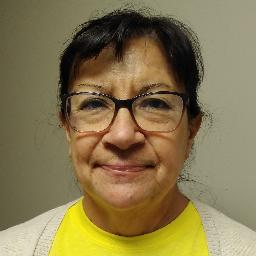
About Catalina
Catalina Kay uses practical, structured work to help people make change. She draws on Cognitive Behavioral Therapy and nearly three decades of experience to address mood, behavior, and relationship patterns. Catalina holds LPCC, which is the credential listed for her Minnesota practice.
She keeps sessions straightforward and focused on what a person can do between meetings. She helps people who are dealing with addiction, depression, low self-esteem, and relationship struggles.
Background and approach
She also supports those facing life transitions, grief, or end-of-life concerns through hospice and end-of-life counseling. Concerns around intimacy, eating or sleeping, anger, career stress, and bipolar mood challenges are also included in her practice focus. Sessions emphasize checking current habits, identifying unhelpful thoughts, and trying small experiments to test new behaviors.
Catalina treats clients as the expert in their own lives and uses questions, feedback, and practical exercises to move toward clearer goals. Progress is measured in concrete steps rather than abstract ideas. She offers several communication options so people can fit therapy into busy schedules.
The session formats include video calls, phone sessions, live chat, and text-based messaging. Language of service is English, and international clients are not accepted. Her approach is calm and matter-of-fact, aimed at helping clients find skills that work day to day.
Getting started typically involves a short questionnaire and scheduling a first session that fits the client's needs.
CBT-informed care delivered online
CBT, or Cognitive Behavioral Therapy, focuses on identifying patterns of thought and behavior that keep problems going and testing small changes to break them. It is often used for depression, anxiety, addictions, and relationship or mood concerns by teaching skills people can use between sessions.The therapist pairs CBT techniques with straightforward goal setting and action steps. Together the client and therapist choose which strategies to try and adjust the plan based on what works. This collaborative approach helps match techniques to a person's needs, goals, and preferences rather than using a one-size-fits-all method.
Online therapy offers practical flexibility. Video calls allow face-to-face conversation when more nuance is useful. Phone sessions or live chat can be easier when bandwidth is limited or a shorter check-in is needed. Text-based messaging supports ongoing reflection and quick coaching between scheduled sessions. These options make it simpler to fit therapy into work, family, and medical schedules while maintaining consistent progress.
Questions people ask
What concerns does she help with?
What is her therapeutic style?
How much experience does she have?
Where is she licensed and based?
Which languages are supported?
What session formats are available?
How does cost work?
How do I begin working with her?
What this counselor works with
Most often
- Addictions
- Relationship issues
- Self esteem
Also listed
- Anger management
- Bipolar disorder
- Career difficulties
- Coping with life changes
- Depression
- Eating disorders
- Family conflicts
- Hospice and end-of-life counseling
- Intimacy-related issues
- LGBT
- Parenting issues
- Sleeping disorders
- Trauma and abuse
Therapeutic approaches
- Experience
- 29 years
- Licensed
- Minnesota
- Languages
- English