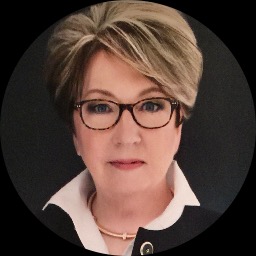
About Carole
Carole Calvert-Baxter helps people manage stress, anxiety, trauma and abuse, self-esteem struggles, depression, and life coaching goals. She is a Licensed Professional Counselor, LPC, practicing in Michigan. Her tone is direct and practical.
Conversations focus on what is happening now and what steps feel doable for each person. Carole spent many years as a health care executive before moving into counseling. That background shaped a straightforward, problem-solving approach.
She listens first, and then offers options drawn from proven methods like cognitive behavioral ideas and client-centered listening.
Background and approach
Sessions aim to be collaborative. Carole treats each person as the expert on their life and draws out strengths that can be used to move forward. Work can include identifying unhelpful thinking, trying new behaviors, or practicing clearer communication with others.
She also supports people facing aging and geriatric concerns, hospice and end-of-life counseling, and challenges connected to family of origin, codependency, and domestic violence. Practical goals such as improving motivation, handling commitment issues, and finding life purpose are common topics. Carole brings 17 years as a practicing counselor alongside prior executive experience in health care.
Her sessions are steady and goal-oriented, with room for gentle exploration when needed. English-language sessions are offered through online formats such as video, phone, chat, and text messaging.
How counseling methods translate to online care
Client-Centered Therapy focuses on empathetic listening and helping people find their own solutions. The therapist follows the client's lead, offers reflection, and helps uncover strengths that support change. Cognitive Behavioral Therapy, or CBT, looks at the links between thoughts, feelings, and actions and uses practical exercises to reduce anxiety, low mood, and unhelpful behavior patterns. The Gottman Method centers on improving communication and connection; it provides concrete skills to handle conflict and strengthen relationships.Choosing the right approach is a collaborative process. The therapist will discuss goals, preferences, and the problems you want to address, then recommend which methods to try first. Plans are adjusted over time based on what helps and what feels comfortable for the person seeking help.
Online therapy offers flexibility and makes regular work more manageable. Video calls let people meet face-to-face from different locations. Phone sessions can be easier when bandwidth is limited or a shorter check-in is needed. Live chat and text messaging support brief updates, coaching-style check-ins, and work between longer sessions. These options help fit therapy into busy lives and keep consistent momentum toward goals.
Questions people ask
What concerns does Carole help with?
What is her therapeutic style?
How much experience does she have?
What credentials and location are listed?
In which language are sessions offered?
Which session formats are available?
How does cost and scheduling work?
What are the first steps to begin?
What this counselor works with
Also listed
- Aging and geriatric issues
- Coaching
- Codependency
- Commitment issues
- Communication problems
- Dependent personality
- Depression
- Domestic violence
- Family of origin issues
- Family problems
- Hospice and end-of-life counseling
- Life purpose
- Somatization
Therapeutic approaches
- Experience
- 17 years
- Licensed
- Michigan
- Languages
- English