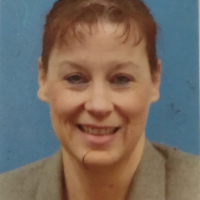
About Carol
Dr. Carol R Crowson is a Licensed Professional Counselor with three decades of clinical experience. She focuses on practical support for people dealing with stress, anxiety, mood changes, addiction concerns, grief, and life transitions.
Her approach centers on helping people use their existing strengths to make steady progress. She holds a Doctor of Education and a Master of Education in Counseling and Guidance, and she trained earlier in psychology and criminal justice.
Background and approach
Dr. Crowson has worked across age groups and settings in Alabama and beyond, which shaped a flexible, down-to-earth style. In sessions she listens first, then helps clients set clear, manageable goals.
She often uses motivational interviewing to draw out a person’s own motivations. Cognitive Behavioral Therapy tools are introduced when thinking patterns and behaviors are part of the problem. Emotionally-Focused Therapy ideas guide work on attachment and relationship patterns, and solution-focused methods help build quick, usable strategies for day-to-day problems.
She can also address concerns like attention challenges, eating and substance use issues, and personality or mood disorder symptoms. People who come to Dr. Crowson can expect respectful, straightforward sessions that aim for small, achievable changes.
The work is collaborative - she helps clients find what fits their life and goals.
How her approaches translate to online therapy
Dr. Crowson uses Client-Centered and Cognitive Behavioral Therapy in ways that fit online sessions. Client-Centered work focuses on listening and reflecting so the person feels heard and understood, which helps when sorting out stress, grief, or relationship worries. Cognitive Behavioral Therapy breaks problems into thoughts, feelings, and actions and teaches simple exercises to try between sessions, useful for anxiety, depression, and mood regulation.She treats choosing an approach as a team effort. The therapist and client talk about goals, try methods that match those goals, and adjust as progress is made. That collaborative process helps determine whether to emphasize skills, motivation, or emotional understanding in remote work.
Online formats include video calls, phone sessions, live chat, and text-based messaging. Video sessions allow face-to-face conversation and visual cues. Phone work can be easier when bandwidth is limited or for shorter check-ins. Live chat and text messaging make it simpler to fit brief updates into a busy day or to continue reflection between longer sessions. These options aim to make therapy more flexible and easier to fit into daily life.
Questions people ask
What kinds of problems does this counselor address?
How would you describe her therapeutic style?
What background and experience does she have?
What credentials and location information are provided?
Can I have sessions in a language other than English?
Are remote sessions available and in what formats?
How are fees handled for therapy?
What is the process for starting therapy?
What this counselor works with
Most often
- Stress, Anxiety
- Addictions
- Family conflicts
Also listed
- ADHD
- Aging and geriatric issues
- Anger management
- Bipolar disorder
- Career difficulties
- Codependency
- Coping with life changes
- Dependent personality
- Depression
- Disruptive Mood Dysregulation Disorder (DMDD)
- Drug and alcohol addiction
- Eating and food-related issues
- Eating disorders
- Family problems
- Grief
- Mood disorders
- Paranoia
- Parenting issues
- Personality disorders
- Relationship issues
- Self esteem
- Self-harm
- Trauma and abuse
- Young adult issues
Therapeutic approaches
- Experience
- 30 years
- Licensed
- Alabama
- Languages
- English