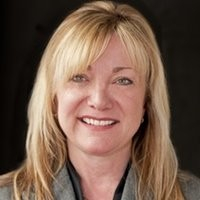
About Audrey
Dr. Audrey Berdeski trained first as a Doctor of Chiropractic and later transitioned into counseling. She holds a Licensed Professional Counselor (LPC) credential in Michigan and brings 15 years of clinical experience to her practice.
Her work focuses on common life challenges like anxiety, depression, stress, relationship strain, grief, and self-esteem concerns. She takes a direct but warm approach in sessions. Conversations are practical and goal-oriented while staying respectful and sensitive.
Background and approach
She avoids stigmatizing labels and adapts plans to each person's needs. Dr. Berdeski uses a mix of methods to help people change unhelpful patterns.
She draws on cognitive-behavioral ideas to shift thinking and behavior. She also uses psychodynamic and existential perspectives to look at deeper life meaning and long-standing patterns. Many people come for help after a loss, a breakup, work stress, or when managing a mood disorder like bipolar or chronic depression.
She also supports people dealing with trauma or emotional abuse and helps with communication problems and issues around commitment or infidelity. Practical tools and coaching are part of sessions when useful. She offers mindfulness practices to reduce immediate anxiety and solution-focused steps to make steady progress.
Between sessions she uses messaging and replies twice daily to keep short threads of support. Sessions are offered Monday through Thursday daytime, plus Saturday and Sunday mornings. Work together to set goals and plan steps that fit daily life and obligations.
Approaches and how they work online
Dr. Berdeski often uses Cognitive Behavioral Therapy to help people identify unhelpful thoughts and change behaviors that keep problems going. CBT is practical and focused on steps you can try between sessions to reduce anxiety or lift mood.She also draws on Existential Therapy to talk about meaning, choice, and values. That approach helps when people feel stuck by life transitions, midlife questions, or loss of purpose. Additionally she integrates the Gottman Method for relationship concerns, which centers on improving communication and rebuilding trust through specific dialogue techniques.
Choosing the right approach is part of the work together. The therapist will collaborate with each person to match methods to goals and preferences. Plans can shift over time as needs change, combining short-term skill work with deeper exploration when useful.
Online formats include video calls, phone sessions, live chat, and text-based messaging. Video lets people read body language and run longer sessions. Phone can be a good option when internet bandwidth is limited or when a simpler check-in is needed. Live chat or text messaging supports brief updates, coaching between sessions, and flexible communication during busy weeks. These options help fit therapy into a workday, caregiving schedule, or when travel makes in-person meetings difficult.
Questions people ask
What kinds of problems does she address?
How would you describe her therapy style?
What experience does she bring?
What credentials and where is she based?
Which languages are supported?
What session formats are available?
How are fees handled?
What do I do to begin working together?
What this counselor works with
Most often
- Stress, Anxiety
- Relationship issues
- Grief
Also listed
- Aging and geriatric issues
- Antisocial personality
- Bipolar disorder
- Caregiver issues and stress
- Coaching
- Codependency
- Commitment issues
- Communication problems
- Control issues
- Coping with life changes
- Depression
- Divorce and separation
- Domestic violence
- Family conflicts
- Family of origin issues
- Family problems
- Infidelity
- Jealousy
- LGBT
- Midlife crisis
- Money and financial issues
- Mood disorders
- Narcissism
- Personality disorders
- Postpartum depression
- Seasonal Affective Disorder (SAD)
- Self esteem
- Sexual assault and abuse
- Trauma and abuse
- Women's issues
Therapeutic approaches
- Experience
- 15 years
- Licensed
- Michigan
- Languages
- English