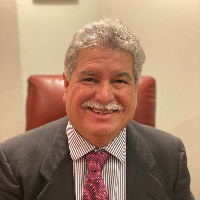
About Anthony
Dr. Anthony Montez is a licensed professional counselor with 26 years of practice in Texas. He helps people who are feeling overwhelmed by stress, anxiety, depression, grief, or problems in close relationships.
He works in straightforward language and focuses on practical steps people can use right away. His work often addresses relationship and family concerns, communication problems, and parenting strain. He also supports people dealing with addiction, trauma and abuse, mood disorders, and issues around intimacy and self-esteem.
Background and approach
He pays attention to how culture and upbringing shape emotional patterns. Clients meet a clinician who emphasizes listening first and then setting clear, doable goals. Sessions blend helpful skills with space to talk about painful experiences.
He uses approaches that encourage problem solving and deeper personal meaning. People come for help with life transitions such as divorce, aging, or job and role changes. He also works with themes like abandonment, forgiveness, impulsivity, and finding life purpose.
His method is to break larger problems into smaller steps people can manage. Dr. Montez combines evidence-informed tools with a person-centered stance.
That means the session agenda is shaped around each person’s needs and values. The focus is on making changes that fit a client's daily life.
Approaches that guide online sessions
Client-Centered Therapy emphasizes listening, empathy, and building a collaborative relationship. It helps people who need a supportive space to talk through emotions, relationship difficulties, and life transitions. Cognitive Behavioral Therapy, or CBT, focuses on identifying unhelpful thoughts and testing small behavioral changes. It is useful for anxiety, depression, stress, and patterns that lead to impulsive or avoidant behavior.Finding the right approach is part of the work together. The therapist will discuss goals, preferences, and problem areas and then suggest methods that match those needs. Decisions about techniques and pacing are made jointly so the plan fits the person's life and values.
Online sessions are offered by video calls, phone sessions, live chat, and text-based messaging to make therapy more flexible. Video calls allow face-to-face conversation and visual cues. Phone sessions can be easier when bandwidth is limited or for brief check-ins. Live chat and text messaging are useful for short updates, check-ins between sessions, or when typing feels easier than speaking. These options help people fit therapy into busy schedules and different daily routines.
Questions people ask
What concerns does he commonly address?
What is his general therapy style like?
How much clinical experience does he have?
Where is the therapist located and what are his credentials?
Which languages are supported for sessions?
What online session formats are available?
How is cost handled for sessions?
What are the first steps to begin therapy?
What this counselor works with
Most often
- Stress, Anxiety
- Relationship issues
- Family conflicts
Also listed
- Abandonment
- Addictions
- Aging and geriatric issues
- Anger management
- Attachment issues
- Bipolar disorder
- Blended family issues
- Communication problems
- Coping with life changes
- Depression
- Divorce and separation
- Emptiness
- Family problems
- Forgiveness
- Grief
- Impulsivity
- Infidelity
- Intimacy-related issues
- Jealousy
- Life purpose
- Mood disorders
- Multicultural concerns
- Panic disorder and panic attacks
- Parenting issues
- Post-traumatic stress
- Self esteem
- Trauma and abuse
Therapeutic approaches
- Experience
- 26 years
- Licensed
- Texas
- Languages
- English