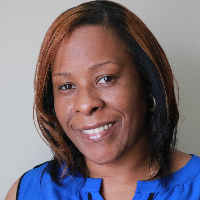
About Andrea
Dr. Andrea Hayes is a Licensed Professional Counselor who brings nine years of clinical experience to her practice in North Carolina. She began her career as an educator and later moved into counseling, working in settings such as prisons, juvenile justice, military facilities, community agencies, and independent practice.
She uses plain language and practical steps to help people start feeling steadier in their daily lives. Andrea focuses on common struggles like anxiety, depression, stress, anger, and grief.
Background and approach
She also supports people facing ADHD, parenting strain, compassion fatigue, addiction concerns, bipolar symptoms, trauma and abuse, relationship difficulties, and life transitions. Her additional interests include forgiveness work, veterans and armed forces issues, and helping people build self-love. She most often uses Cognitive Behavioral Therapy, along with person-centered and solution-focused techniques, to help clients identify unhelpful thinking and try new behaviors.
Sessions are guided by the client’s goals, and plans are adjusted as progress is made. Andrea aims to create a warm, respectful atmosphere so people feel comfortable talking honestly. Andrea holds a Master’s in Community Counseling and a Ph.D. in Advanced Studies in Human Behavior with a counseling emphasis.
She lists credentials as LPC and LCMHC and has professional experience across multiple service settings. Her approach is straightforward and collaborative, with a focus on practical skills that can be used between sessions. For people who want calm, clear guidance through difficult times, Andrea offers an empathetic, goal-oriented style and a focus on concrete tools to manage emotions and daily challenges.
How CBT and Practical Therapy Work Online
Cognitive Behavioral Therapy (CBT) helps people spot unhelpful thoughts and try different behaviors. It often includes clear exercises and homework that can reduce anxiety, depression, anger, and stress. Person-centered work focuses on listening and building a trusting relationship so clients feel understood before making changes.Finding the right approach is a collaborative process. The therapist will talk with each person about their goals and preferences, and together they will choose or adapt methods that fit. Plans are reviewed and adjusted as the client notices what helps and what doesn’t.
Online sessions are offered by video calls, phone sessions, live chat, or text-based messaging to make therapy fit everyday life. Video is useful for more in-depth work and visual cues. Phone sessions can be easier when bandwidth is limited or when someone prefers not to be on camera. Short check-ins or problem-focused conversations can work well over live chat or messaging. These options help people fit appointments around work, caregiving, or travel and let therapists deliver consistent, practical guidance wherever the client is located.
Questions people ask
What concerns does Andrea commonly address?
What is her general therapy style?
How much clinical experience does she have?
What credentials and location are listed?
Which languages and international clients are supported?
What session formats are available?
How are costs handled?
How do I begin working with her?
What this counselor works with
Most often
- Anger management
- Self esteem
- Coping with life changes
Also listed
- Addictions
- ADHD
- Bipolar disorder
- Compassion fatigue
- Depression
- Forgiveness
- Grief
- Parenting issues
- Relationship issues
- Self-love
- Stress, Anxiety
- Trauma and abuse
- Veteran and Armed Forces Issues
Therapeutic approaches
- Experience
- 9 years
- Licensed
- North Carolina, Georgia, Texas
- Languages
- English