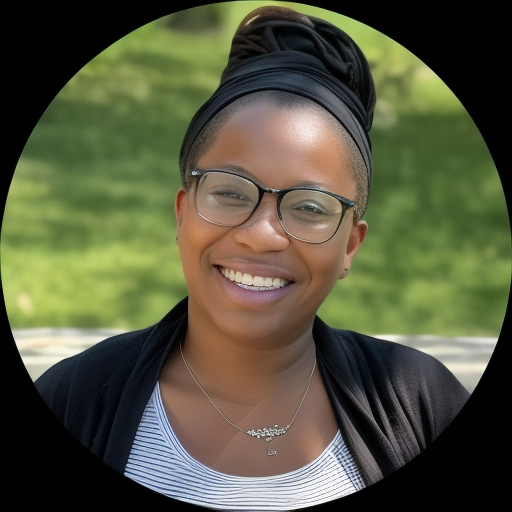
About Tanadja
Tanadja Barber is a Licensed Professional Counselor (LPC) who blends talk therapy with creative work to help people sort through relationship and identity concerns. She practices from Missouri and brings eight years of clinical experience to sessions. Her style is calm and direct, with space for creativity when words fall short.
Tanadja often supports people navigating LGBT issues, intimacy and relationship struggles, parenting stress, and major life changes. She pays attention to how culture, identity, and community shape feelings and choices.
Background and approach
That means conversations may include how outside pressures and family expectations affect daily life. Sessions usually mix discussion with practical skills. Clients learn ways to manage strong emotions, set or strengthen boundaries, and notice patterns that keep them stuck.
Artmaking is offered as an optional tool to aid reflection when talking isn’t enough. Her work draws on evidence-based therapeutic techniques and mindfulness-informed practices. She helps people challenge unhelpful thoughts, build more satisfying relationships, and reduce emotional burnout through concrete strategies and short exercises.
Tanadja aims to create a steady, collaborative space where people can find clearer thinking and healthier routines. She focuses on what can change now, and supports clients as they try new ways of coping and communicating. Clients typically leave with practical skills and clearer self-understanding.
The goal is a more authentic, sustainable life that fits each person’s values and needs.
How creative approaches and therapy meet online
Tanadja works from a mix of approaches that combine practical skills and creative reflection. Cognitive behavioral techniques focus on identifying unhelpful thoughts and testing new behaviors to reduce distress and improve relationships. Mindfulness-informed and DBT-informed methods teach simple skills for managing intense emotions and staying grounded in the moment. Art-based work is offered as an optional way to express feelings and reflect when words are limited.Choosing the right approach is collaborative. The therapist will talk with each person about goals and preferences, try different methods, and adjust what’s being used based on how well it helps. Clients and therapist decide together which tools fit best for the situation.
Online formats make it easier to fit therapy into busy lives. Video calls allow face-to-face conversation and shared screen work for worksheets or art prompts. Phone sessions can be a good choice when bandwidth is limited or a shorter check-in is needed. Live chat and text-based messaging offer flexible, ongoing ways to share thoughts between sessions. These options help people access care from different locations and schedules.
Questions people ask
What concerns does this therapist focus on?
What is the therapist's general approach in sessions?
How much clinical experience does she have?
What credentials and location apply to this therapist?
Which languages are supported?
What session formats are available?
How is cost handled for sessions?
How do I begin therapy with this clinician?
What this counselor works with
Most often
- LGBT
- Relationship issues
- Intimacy-related issues
Also listed
- Coping with life changes
- Parenting issues
- Experience
- 8 years
- Licensed
- Missouri
- Languages
- English